The wellness home
Rachael Kwok of NKBA on how kitchens and bathrooms are supporting better living.
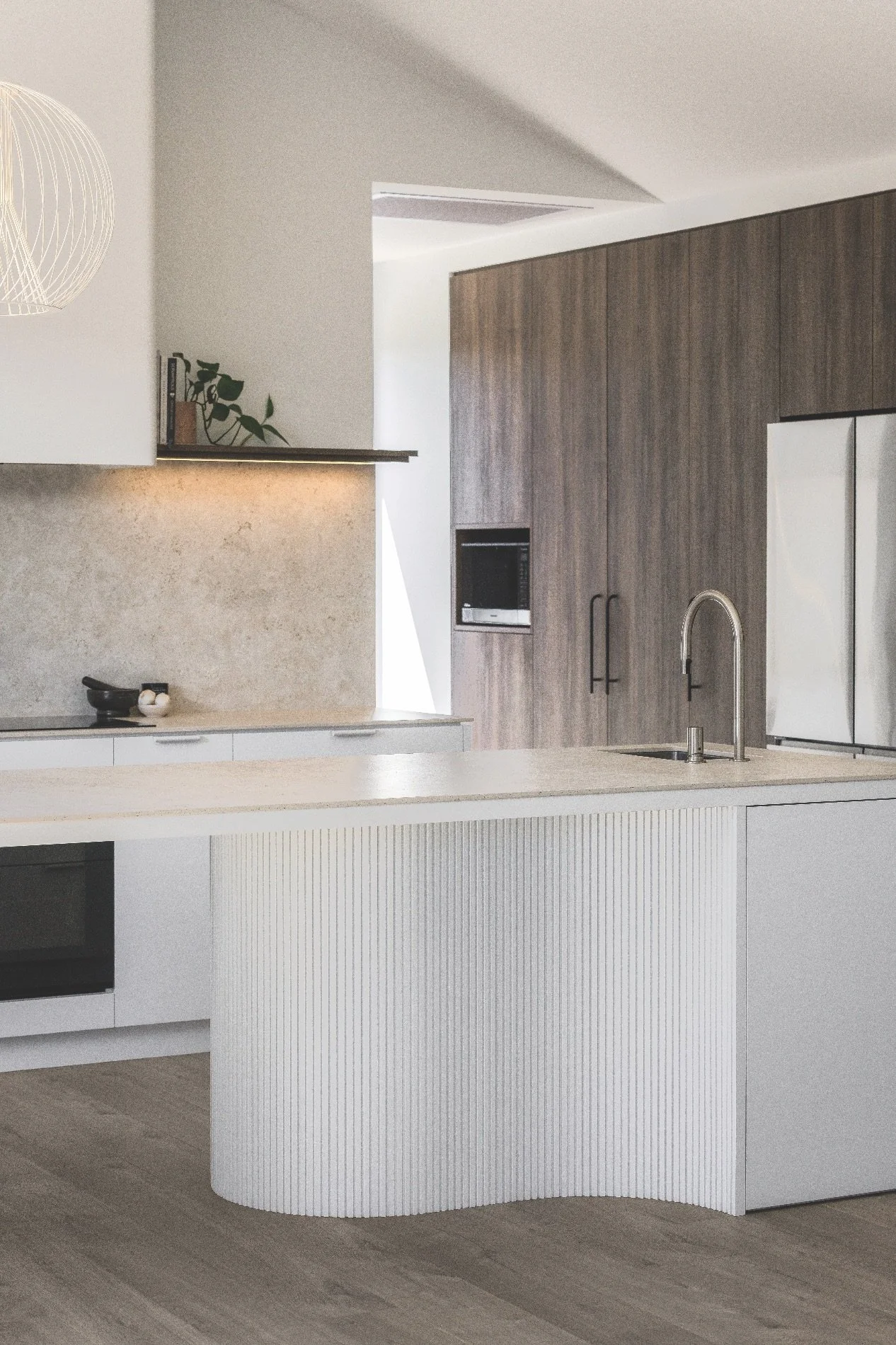
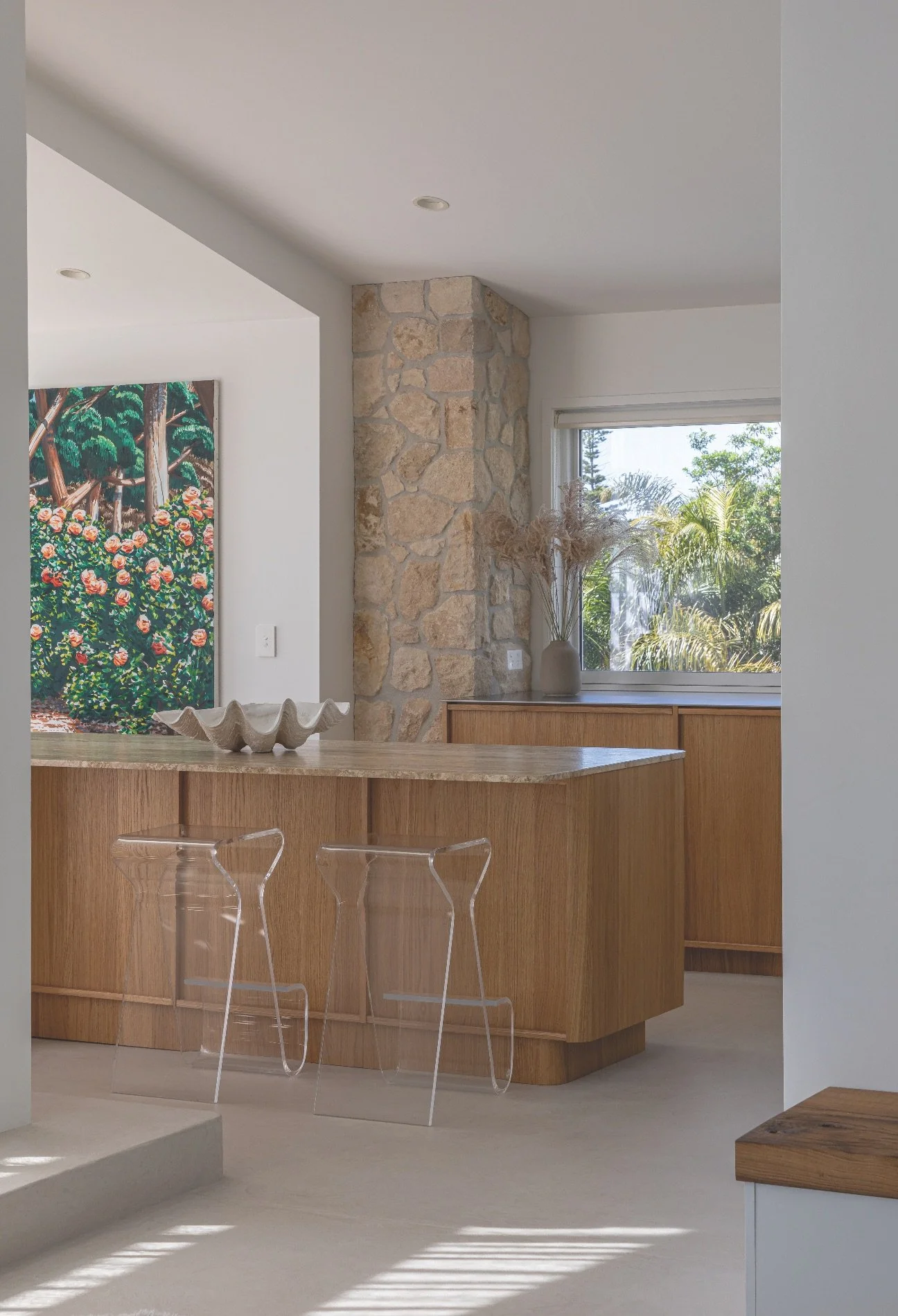
Casa De Playa De Verano by Jenny Holmes, Designmarked Kitchens. Photography © John Williams
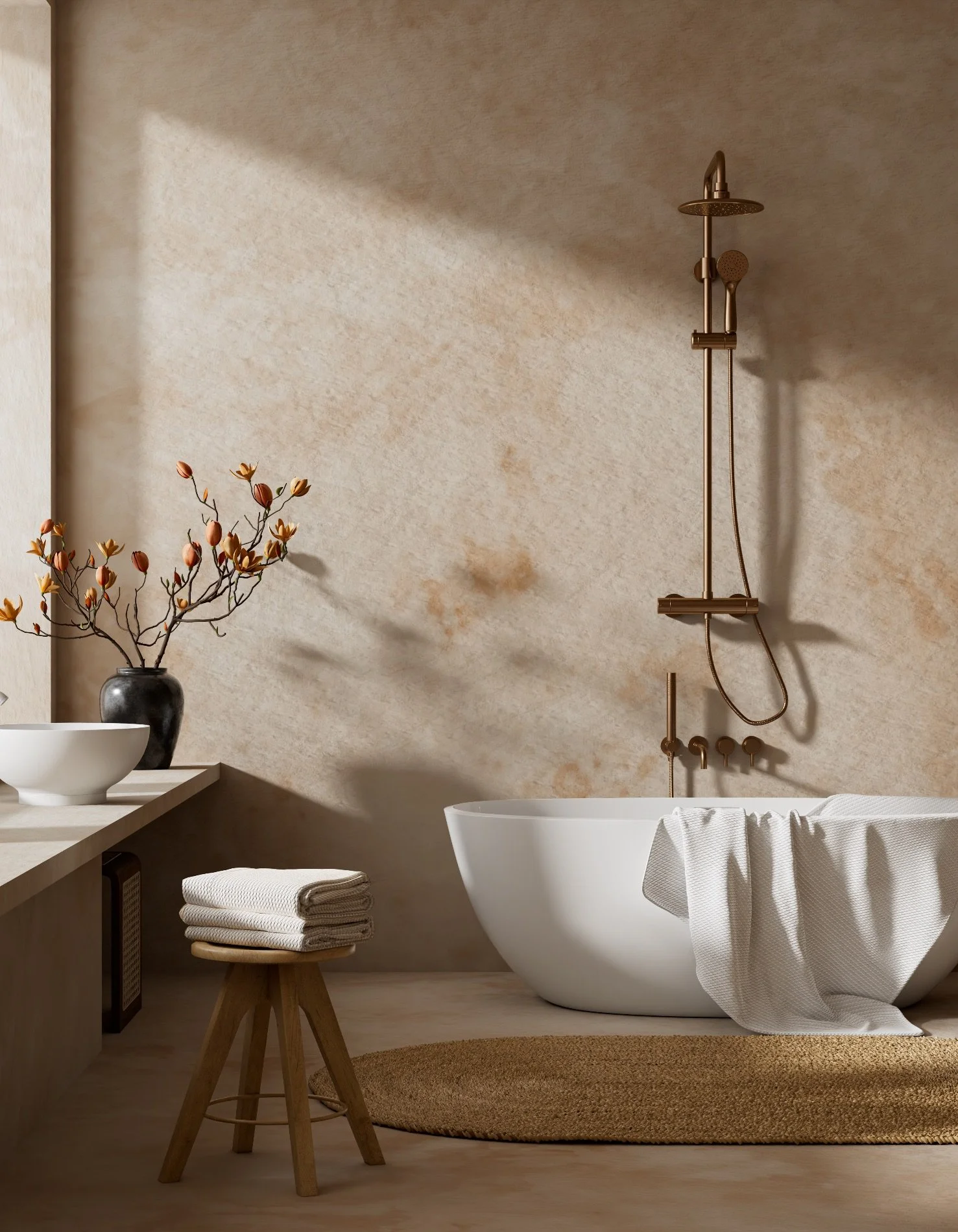
There is perhaps nowhere where current trends towards wellness and self-care are more evident than in the bathroom.
Following years of changing work patterns and increased time spent at home, people are seeking spaces that support their physical health, reduce stress, encourage connection and provide a sense of comfort and sanctuary.
Designers are responding by creating bathrooms that feel restorative, comfortable and highly personalised. And homeowners are moving away from purely functional bathrooms and embracing spaces that provide a sense of luxury and escape.
Inspired by high-end hotels and day spas, bathrooms are increasingly featuring walk-in showers, freestanding baths, layered lighting, natural textures and warm, earthy colours.
The focus is on creating an environment that encourages relaxation and self-care. Features such as underfloor heating, backlit mirrors, integrated storage and quiet ventilation systems help transform daily routines into enjoyable experiences.
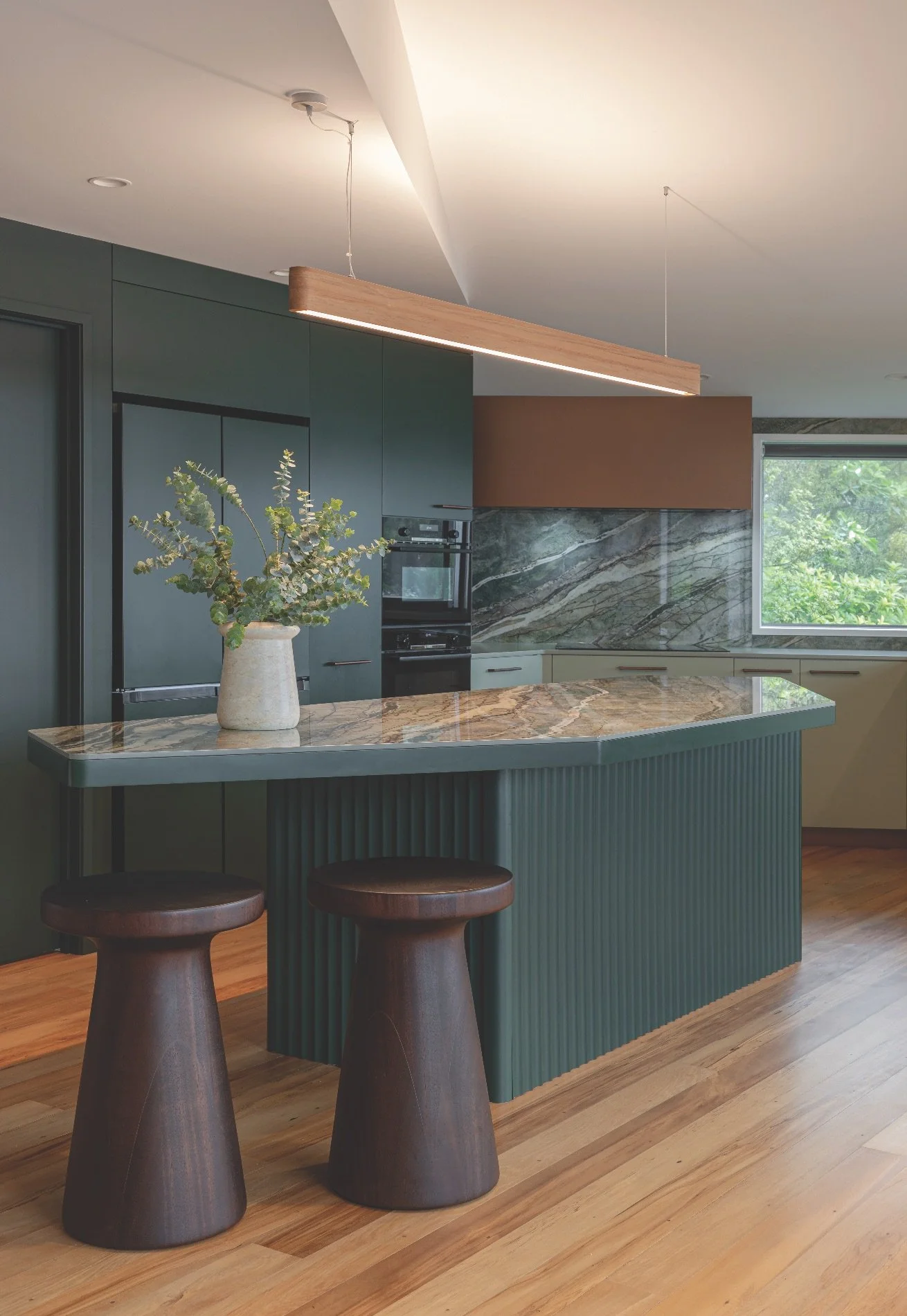
Similarly, the kitchen continues to be the heart of the home, but the way it looks and functions is evolving. Rather than sleek, clinical spaces, designers and homeowners are embracing warm colours, textured materials, curved forms and furniture- inspired design. Timber, stone and earthy tones are replacing stark whites and high- gloss finishes. The result is a welcoming gathering place for family and friends that feels more connected to the living areas around it.
Storage also plays a significant role in promoting wellbeing. Carefully planned cabinetry, appliance integration and dedicated storage solutions reduce visual clutter and create a greater sense of calm. When everything has a place, daily tasks become simpler and less stressful.
Wellness design and sustainability are increasingly interconnected. Consumers are showing a strong preference for durable, environmentally responsible materials and energy-efficient appliances. Choices such as low-VOC finishes, recycled materials, water-efficient fittings and energy-saving technology not only reduce environmental impact but also create healthier indoor environments.
Many homeowners are also prioritising longevity, selecting products and finishes that will remain attractive and functional for years to come. Rather than chasing short-term trends, the focus is shifting towards timeless design that delivers lasting value. Level-entry showers, wider circulation spaces, improved lighting and accessible storage solutions allow homes to adapt to changing needs over time. When thoughtfully integrated, these features can enhance convenience, comfort and usability for people of all ages and stages of life.
There is also growing interest in biophilic design, which is the incorporation of natural materials, greenery and organic forms into interiors. Timber finishes, stone surfaces, indoor plants and increased access to daylight help create a stronger connection with nature and contribute to a calming atmosphere.
The wellness home reflects a broader shift in how people want to live. By combining thoughtful design, natural materials and sustainable choices, today’s kitchens and bathrooms are evolving into spaces that actively contribute to better living.
For those planning a renovation or new build, the question is no longer simply how a kitchen or bathroom will look. The more important question may be how will it make you feel?