Creating landscapes
Jade Au Morris, head of Otago/Southland region for Kamo Marsh Landscape Architects, discusses design responses to the dramatic surroundings of the Central Lakes District.
One of the things I have come to appreciate most as a landscape architect is that good design is about thinking beyond the finished project. A successful landscape should continue to function, evolve and develop character as it matures.
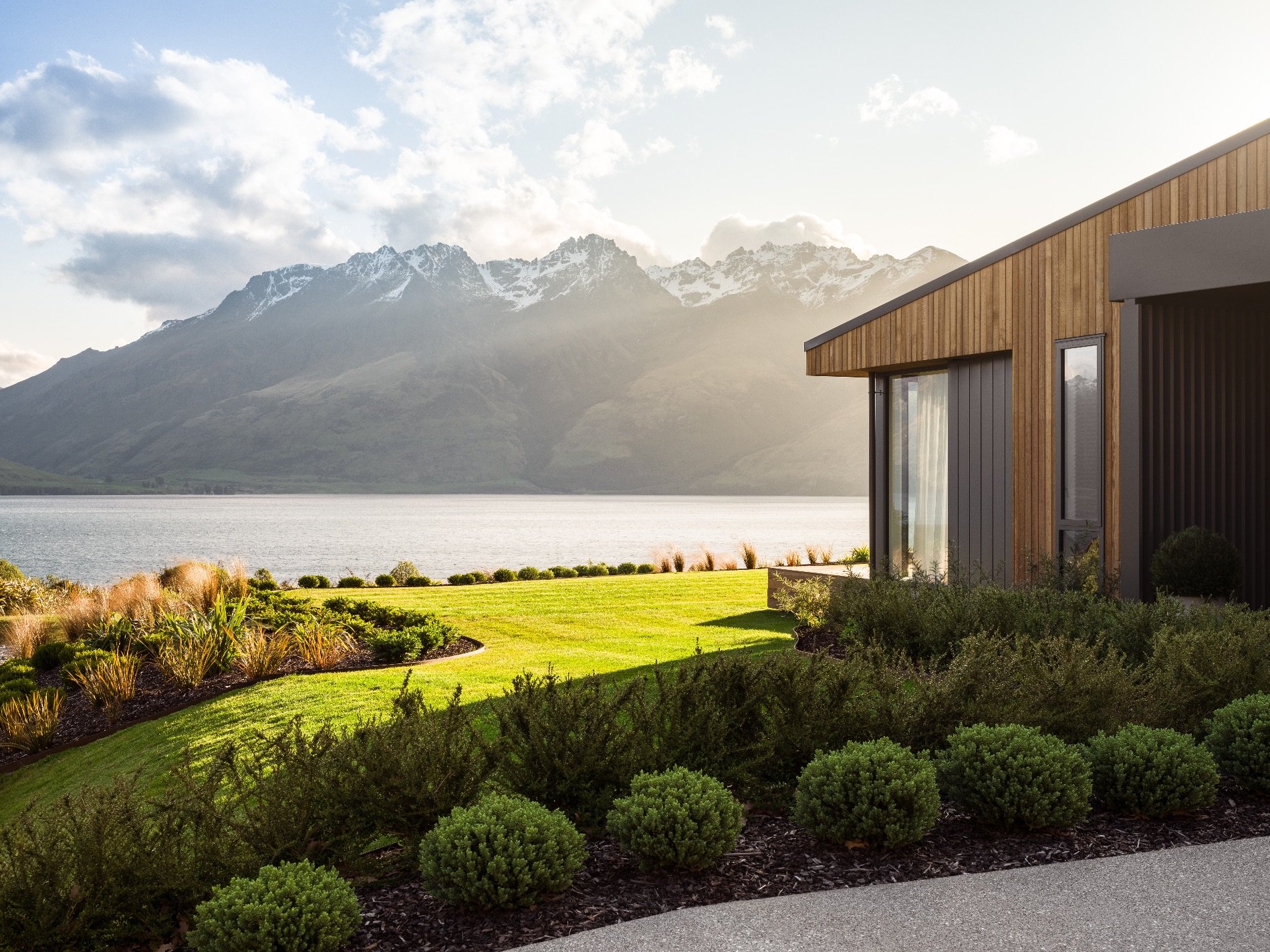
Longevity starts with understanding place. In the Central Lakes, the alpine environment informs decisions around site planning, materials, planting and construction. Frost, wind, snow, intense sun and periods of dry weather all influence how a landscape will perform.
Before even putting pen to paper, I consider the landform, aspect, existing vegetation, views and microclimate alongside how the site will actually be used. The aim is to work with these existing qualities rather than compete with them. How will people move through and use the outdoor spaces? How do we capture sunlight while providing protection from prevailing winds? And how can the landscape strengthen the relationship between the architecture and its setting?
These observations inform the positioning of outdoor spaces, levels and circulation. A terrace nestled into the landform can provide natural shelter, while carefully positioned planting can frame views, provide privacy and soften the built form.
Material and planting choices are considered together, with durability, maintenance and long-term performance in mind. Locally sourced stone, timber and weathering steel can reflect the colours and textures of the surrounding environment. Planting is considered not only for its immediate appearance, but also for its resilience, mature form and suitability to local conditions.
What is less visible is equally as important. Good drainage, soil preparation, irrigation, retaining structures, construction detailing and planting establishment provide the foundation for a successful landscape. These elements may receive little attention once construction is complete, but they have a significant influence on how the landscape performs over time.
Ultimately, landscape architecture is about more than designing outdoor spaces to look good on completion. It’s about creating places that serve the people who use them, and that form a natural extension of the architecture.
One of the most rewarding parts of my work in Queenstown and the surrounding areas is returning to a completed garden. Seeing a landscape design settle into its environment and be used as intended is, for me, one of the clearest measures of successful landscape architecture.