A cathedral without a roof
Perhaps there can be peace and acceptance in a gentle preservation among the ruins, wonders Tony Milne of Rough Milne Mitchell Landscape Architects.
I have recently returned from two weeks in London. The primary reason was to watch the Black Caps at Lord’s; soggy days and a poor pitch did not dampen the conviviality at the home of cricket. Otherwise, I did what Antipodeans do: walked too far, looked up at buildings, found reasons for a pint, and pretended midnight fried chicken after a Harry Styles concert was cultural research.
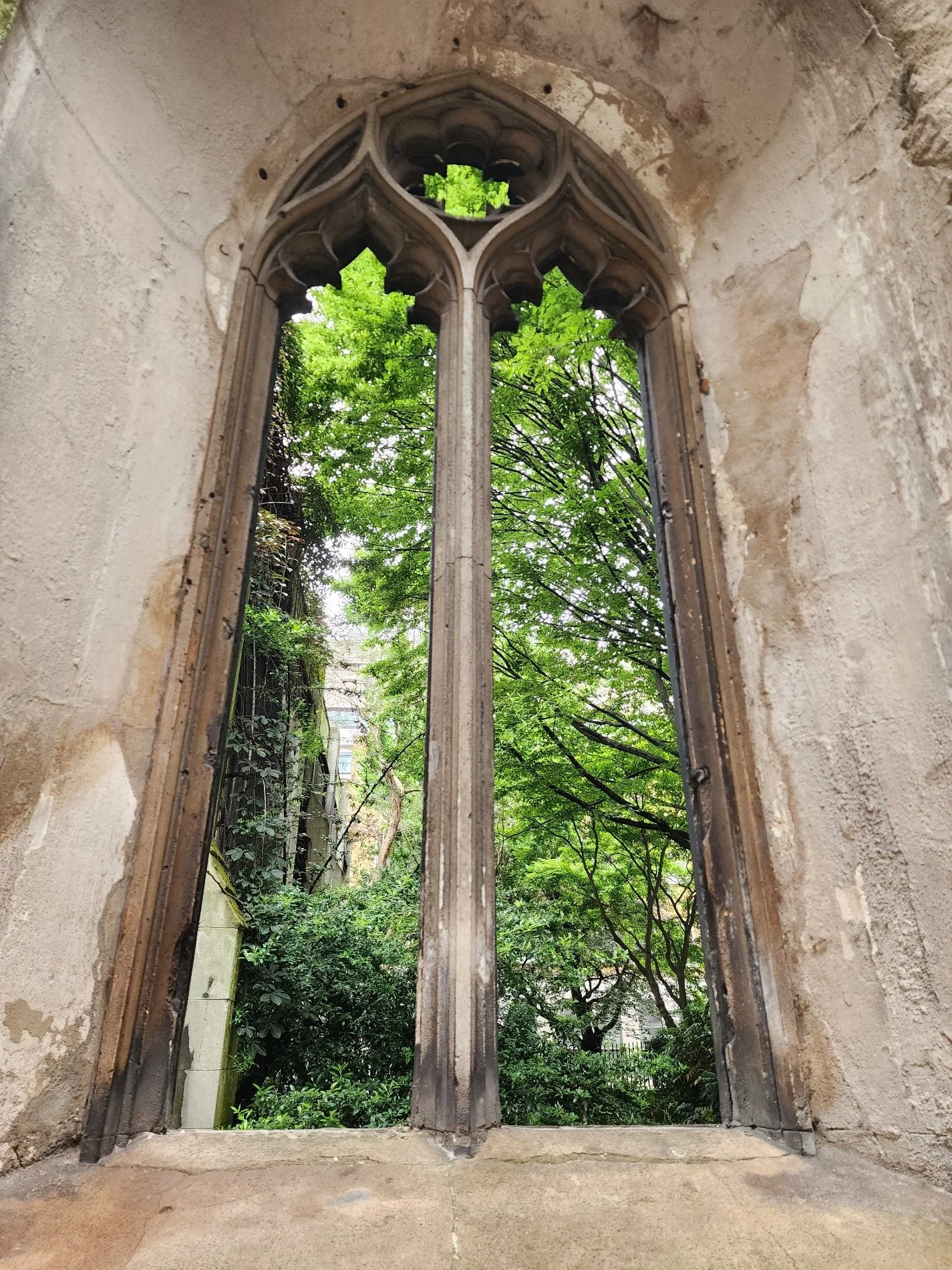
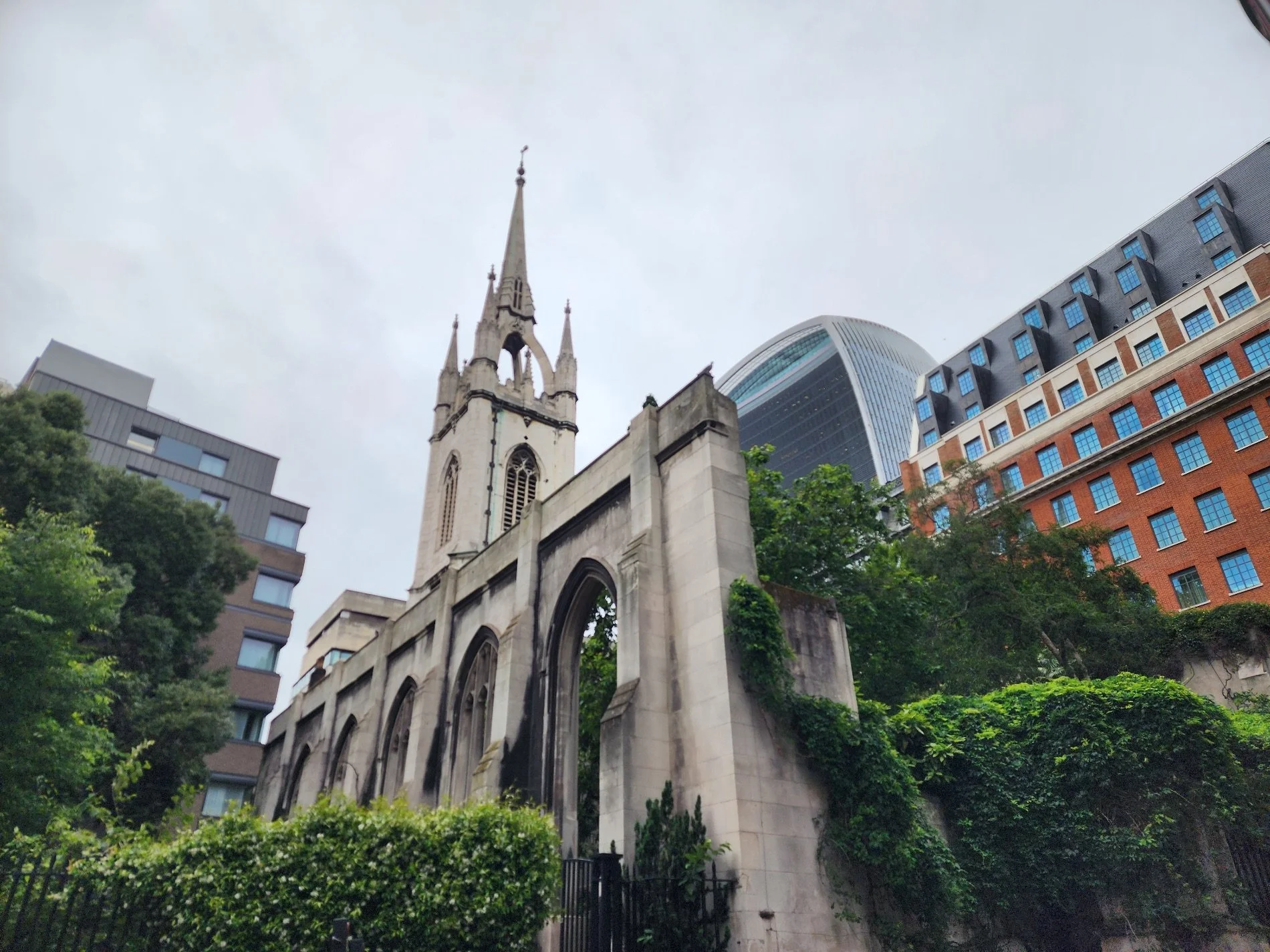
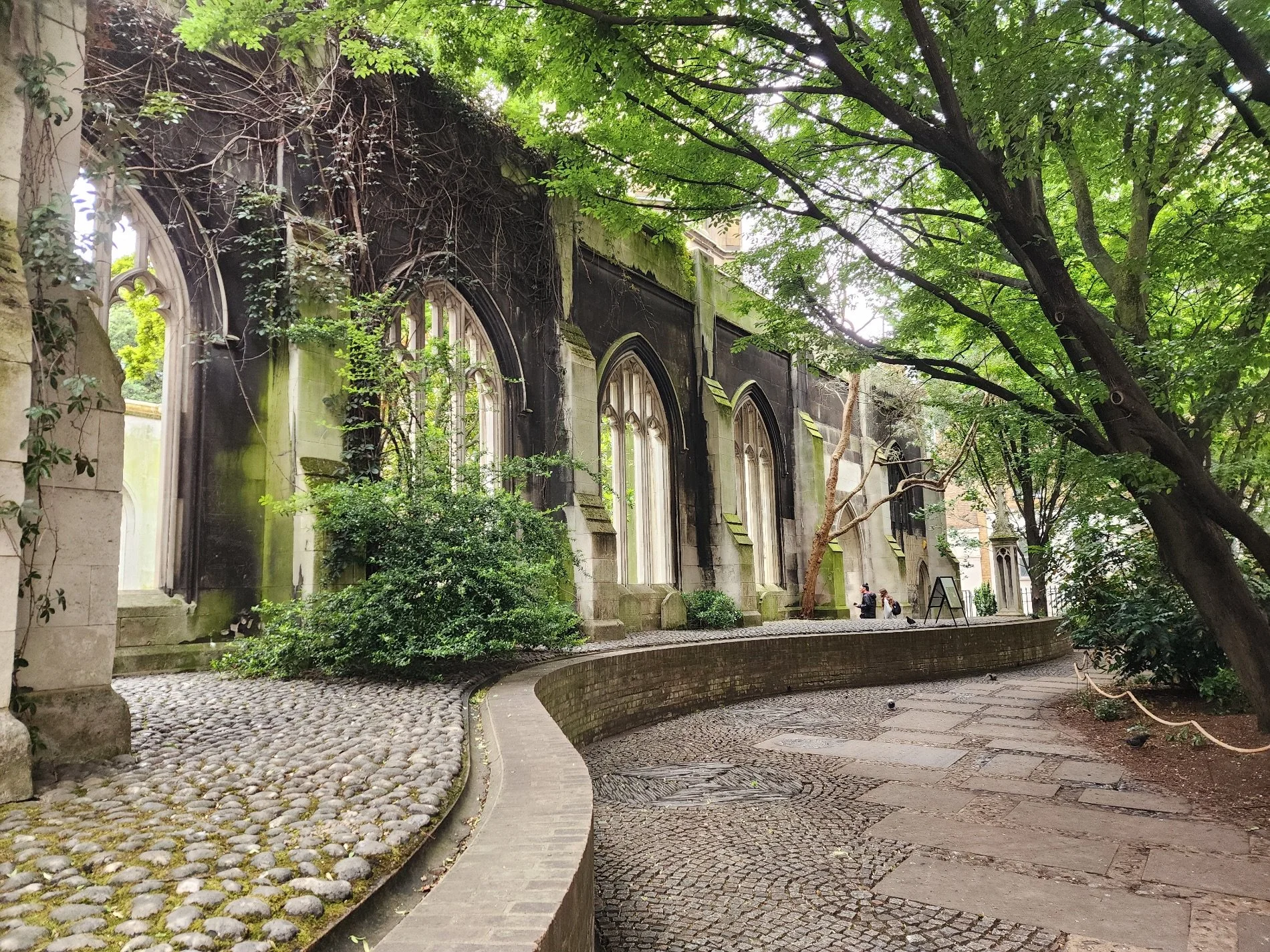
Between the Tower of London and the City’s glassier ambitions, my son Jack and I found St Dunstan-in-the-East: a ruined church behaving with extraordinary grace as a garden. Enough walls remain to hold memory. Windows frame leaves instead of stained glass; climbing plants soften stone; office workers eat beneath arches made roofless by war. It is a ruin, garden, memorial, sanctuary and very good place to sit down. I thought of Christ Church Cathedral immediately.
This is dangerous territory. Few subjects in Christchurch carry such grief, symbolism, money, argument, hope and fatigue. The Cathedral is more than a building: it is shorthand for loss, identity, delay and what a city owes its past. Its reinstatement has been discussed for so long that the discussion itself has become urban fabric. Scaffolding, fences, renderings, announcements and pauses have all had their turn. Standing in St Dunstan, I wondered whether rebuilding had obscured another possibility: not abandonment or demolition, but transformation.
What if the Cathedral remained partly ruined and became, deliberately, a sacred garden at the city’s centre?
I do not suggest this lightly, nor to diminish its Anglican life. A cathedral garden could hold worship, gathering, performance, silence and civic ceremony. Stabilised stone walls could remain while planting, water, light and sky entered the nave. The ground might weave stone, lawn, timber and gravel through former aisles and chapels. Bells, birds and buskers could take their chances.
A roofless sacred space admits weather – no small commitment in Christchurch – and time. Moss, blossom, rain and winter light become architecture. The building neither denies the earthquakes nor remains trapped by them; damage is not hidden but dignified.
Landscape architecture often works best with what remains. We understand edges, absences and thresholds. A wall need not enclose to hold meaning, and a garden can carry grief without becoming morbid. A planted ruin in Cathedral Square could echo St Dunstan-in-the-East while remaining unmistakably of Ōtautahi Christchurch.
Practical matters remain, such as heritage, structure, liturgy, funding, maintenance and pigeons with entitlement issues. Yet practicality should not make imagination timid. The question is not whether we can restore the Cathedral exactly, but whether we can make something truthful, generous and enduring from what history has left.
Perhaps a city rebuilt from rupture deserves a Cathedral that acknowledges rupture beautifully: not a failure to rebuild, but another kind of completion. A place where stone, planting, memory and sky meet in the middle of the city. Christ Church Cathedral as a partly ruined, sacred garden.
Time to unpack, wash London from my beige suit jacket, matching walk socks and towelling sunhat, and prepare for the letters to the editor.