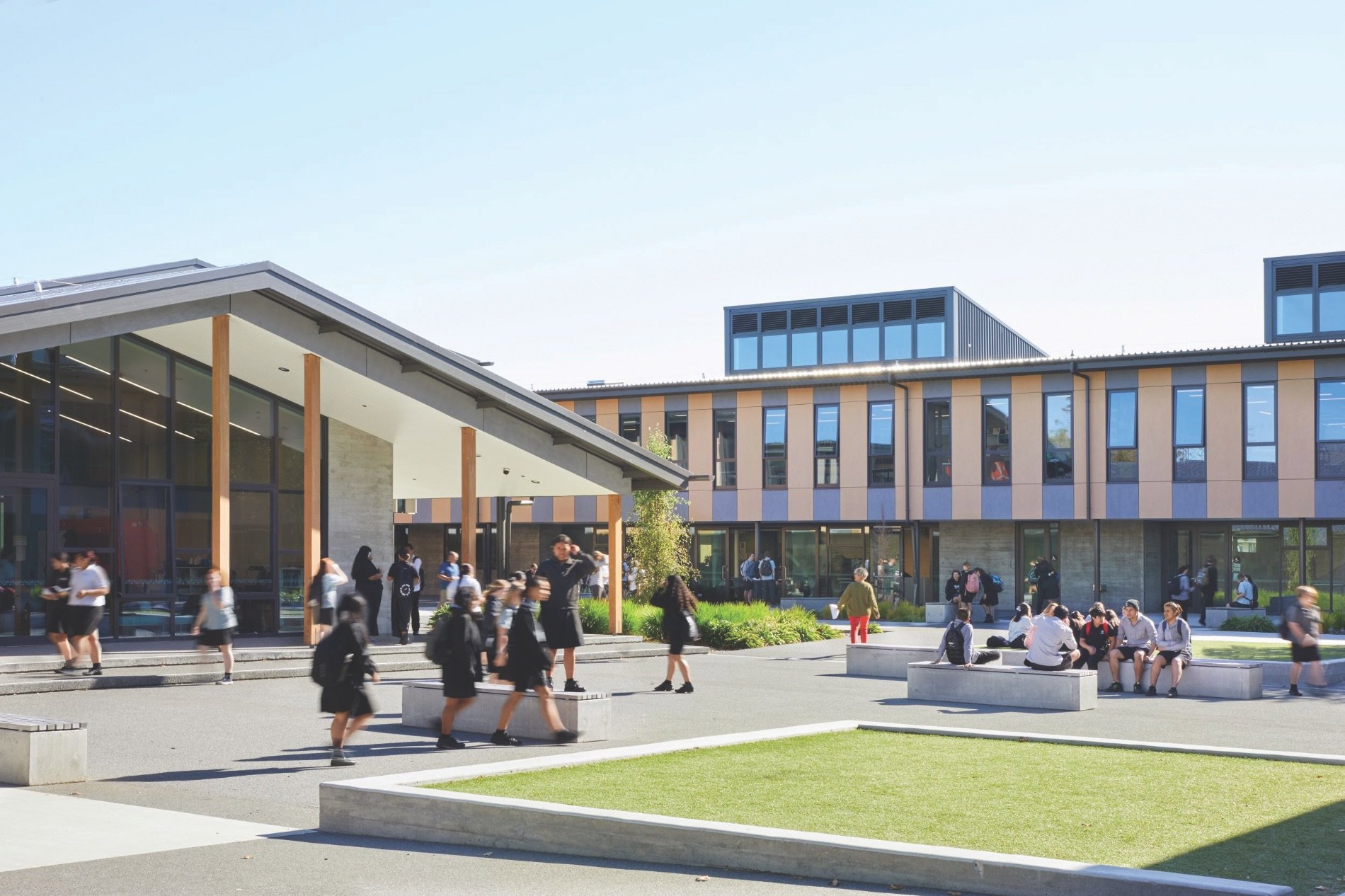
A moment in time
Design trends are responses to our current beliefs and behaviours. So which ones have merit, asks Tony Milne of Rough Milne Mitchell Landscape Architects.
In a nod to a column last year in which I detailed my commute, I am pleased to say how happy I am that our mayor’s pothole gang managed to fill the little delamination on my daily cycle route. This had been eluding them for some three years, just in time for our most recent local body elections. Timing is everything.
On that note, a general direction in which something is developing or changing, we commonly refer to as a trend. I cast my mind back to the number of Robinia ‘Moptops’, swathes of Trachelospermum jasminoides, the odd Gleditsia ‘Skyline’ and more than a few stone-filled gabions that either retain, or stand sentinel like, in the landscapes we have designed for our clients. Oh, and of course the ubiquitous Cornus ‘Eddie’s White Wonder’.
Maybe I am more influenced by trends than I think, although I have not been swayed by cottage cheese ice cream or smashed green onion potato bombs. Mind you, the latter does sound tasty. I was in a meeting yesterday, and we were asked about current trends in urban space and streetscape design. Were these spaces getting ‘greener’?
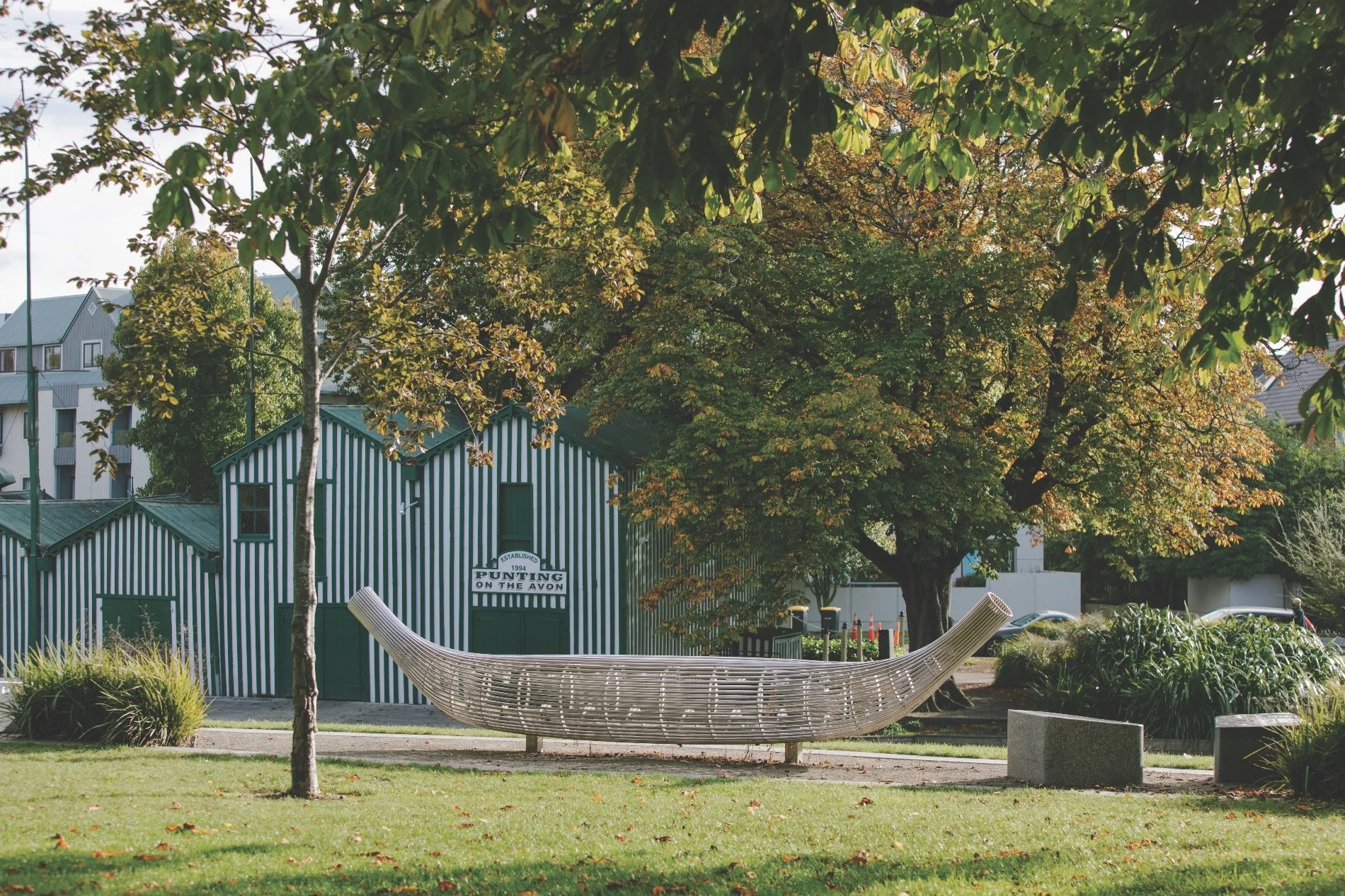
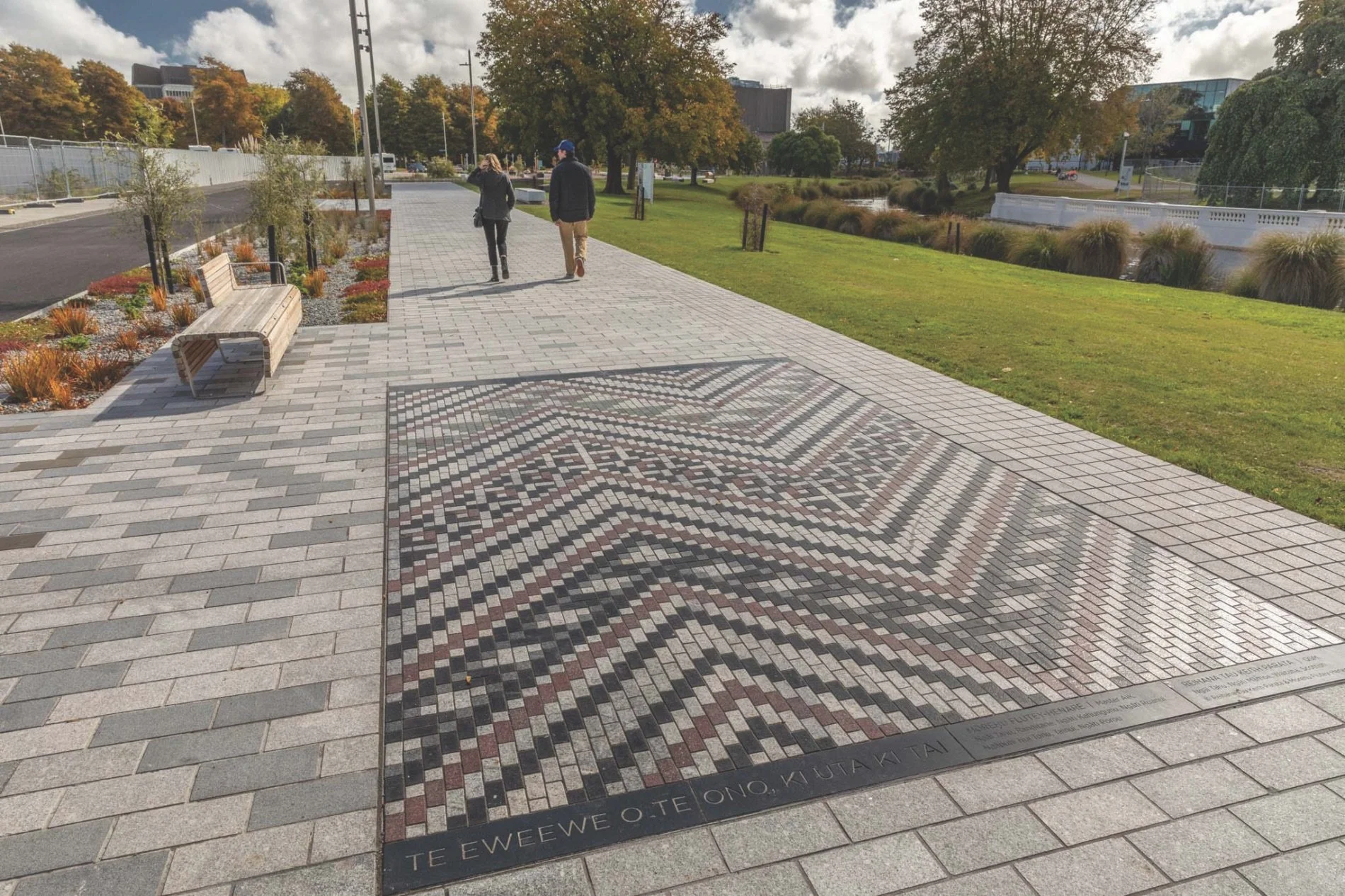
Unkempt, we said, which ironically often takes a lot of curating to get right. Urban fauna, too, birds, butterflies and bees. Using the landscape through rain gardens, swales and the like to manage stormwater. Shared streets where pedestrians, vehicles, cyclists and commerce co-exist. Integral to all of this, we continued, is a meaningful understanding of the people, culture
and relationship with land. This is when landscapes become real. Have the courage not to be token, to make a place different to others, we espoused.
Now, I can’t claim these are super-new, revolutionary, or, in fact, trendy. The Dutch term for a shared street or living street is woonerf – people-friendly, prioritising pedestrians and cyclists over cars – has been around for some time. So too rain gardens and swales.
We also discussed the greyness that has descended on several of our city and town centres that have recently undergone a makeover. Whether it is a trend or not, it seems a shame how a predilection for a type can be to the detriment of regionality and sense of place. I recall once seeing a Canterbury riverstone-filled gabion on the Christchurch Port Hills, almost as sacrilegious as another imported stone-makeup strip.
So, while 500 x 500mm concrete pavers laid with a 10mm grout joint were as popular as Geri Halliwell in the 1990s, they’re not so much in our designs today. If I’m opining about a trend, bearing in mind we
do have Gaura ‘Whirling Butterflies’ and Calamagrostis ‘Karl Foerster’ in our garden, I’d pitch for timelessness and authenticity. A landscape response that speaks of the whenua and its interconnections will be an enduring one. That is a trend worth following.
Time to slip on the Birkenstocks and head to reformer Pilates. Maybe a bright IPA to follow.