Laid bare
Tony Milne of Rough Milne Mitchell Landscape Architects learns to appreciate winter’s small mercies and cold truths.
As I write, the morning is doing its best impression of a damp woollen blanket. The Port Hills have disappeared behind a low, grey curtain, the lawn is more sponge than carpet, and the dog, Lulu, usually evangelical about the outdoors, has taken one look at the weather and returned to bed. Sensible creature.
It would be easy, in this moment, to think of the garden as being in retreat. Winter in Christchurch can do that. The great exuberance of summer has gone, the leaves have mostly fallen, and the herbaceous borders, once full of confidence and swagger, have collapsed into a state that might generously be described as textural. Or, less generously, dead.
Yet I have long thought there is something deeply useful about gardens in winter, something beyond blossom, shade, and the barbecue-adjacent pleasures we more readily associate with outdoor space. A winter garden does not perform in quite the same way. It asks for less applause. In return, it offers a quieter, perhaps more enduring kind of amenity.
A subtle amenity. The polished green of a camellia leaf when everything else seems to have given up. The steam rising from a compost heap. The low sun catching the coppery stems of dogwood, briefly turning a cold corner of the garden into theatre.
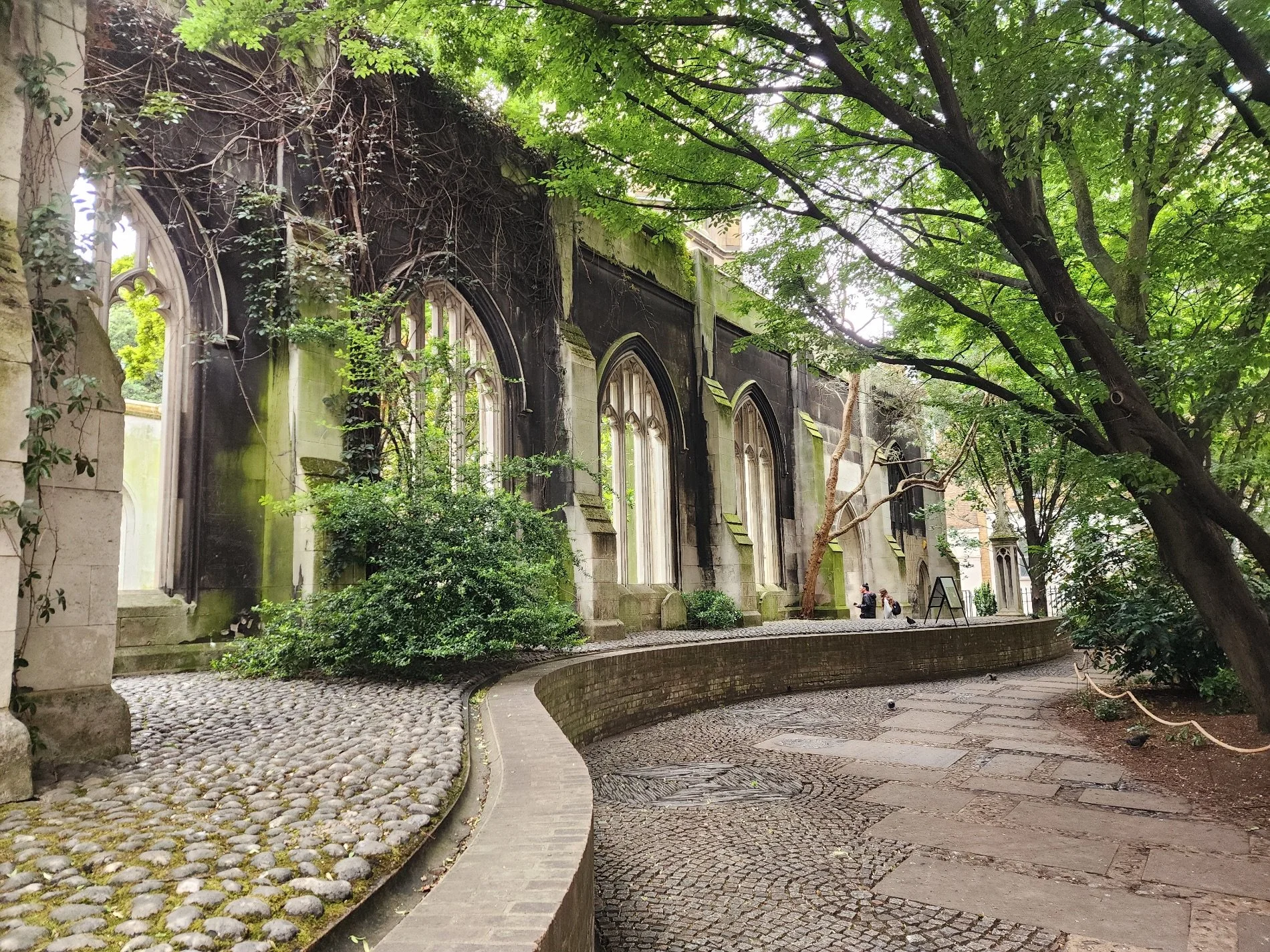
Christchurch is particularly good at this, I think, because winter here has clarity. Frost sharpens edges. Deciduous trees reveal the architecture they have been politely hiding all year. Hedges become walls again. Paths matter more. A well-placed seat, even if unoccupied, suggests the possibility of occupation, which is sometimes enough. Gardens, like certain people, do not need to be constantly entertaining to be good company.
I am fond of gardens that allow winter to be winter. Not everything needs to be evergreen, clipped, polished and pretending otherwise. There is beauty in seed heads left standing, in grasses bleached and leaning, in the darkened timber of a bench that has acquired a sheen of weather and time.
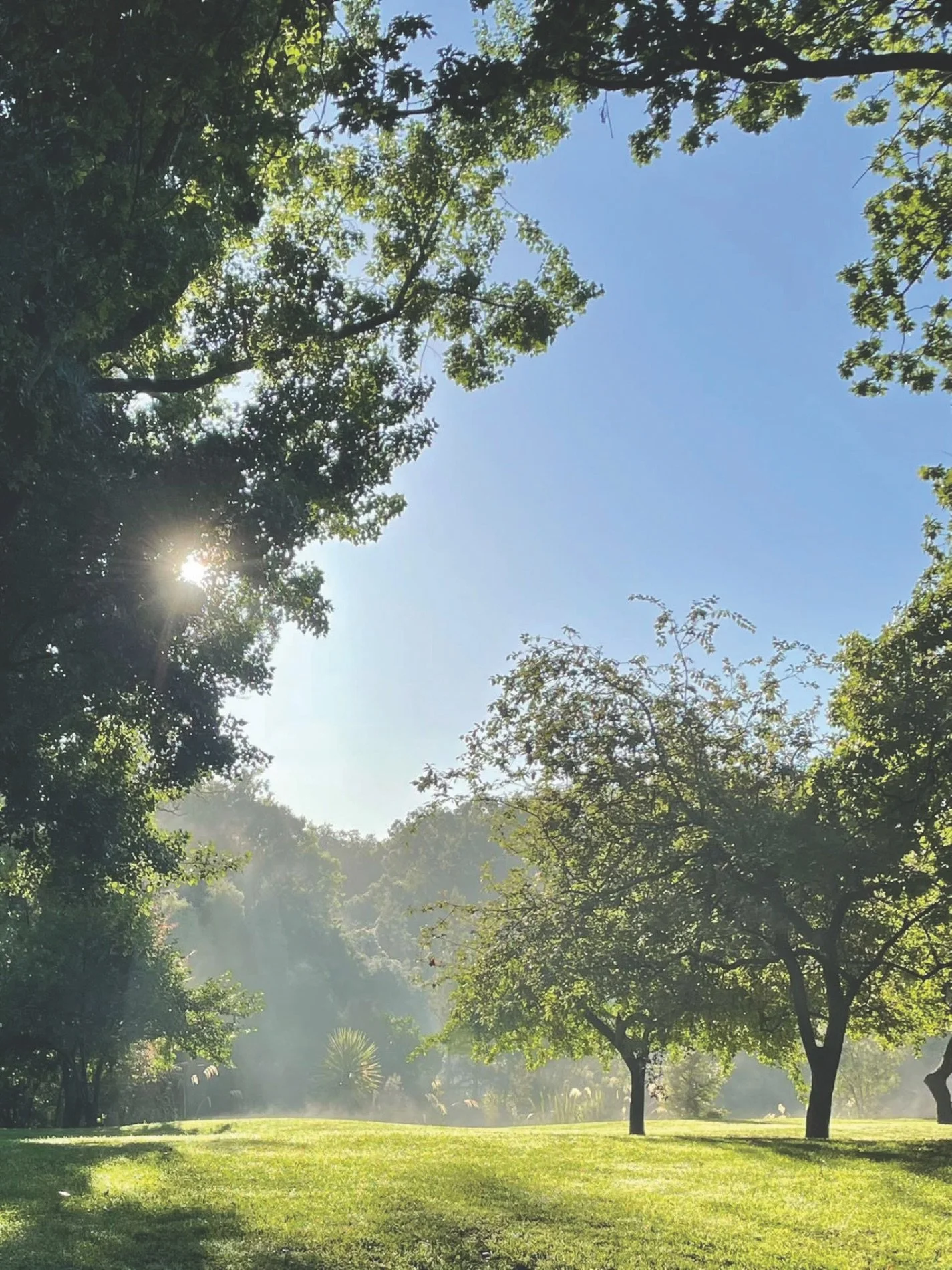
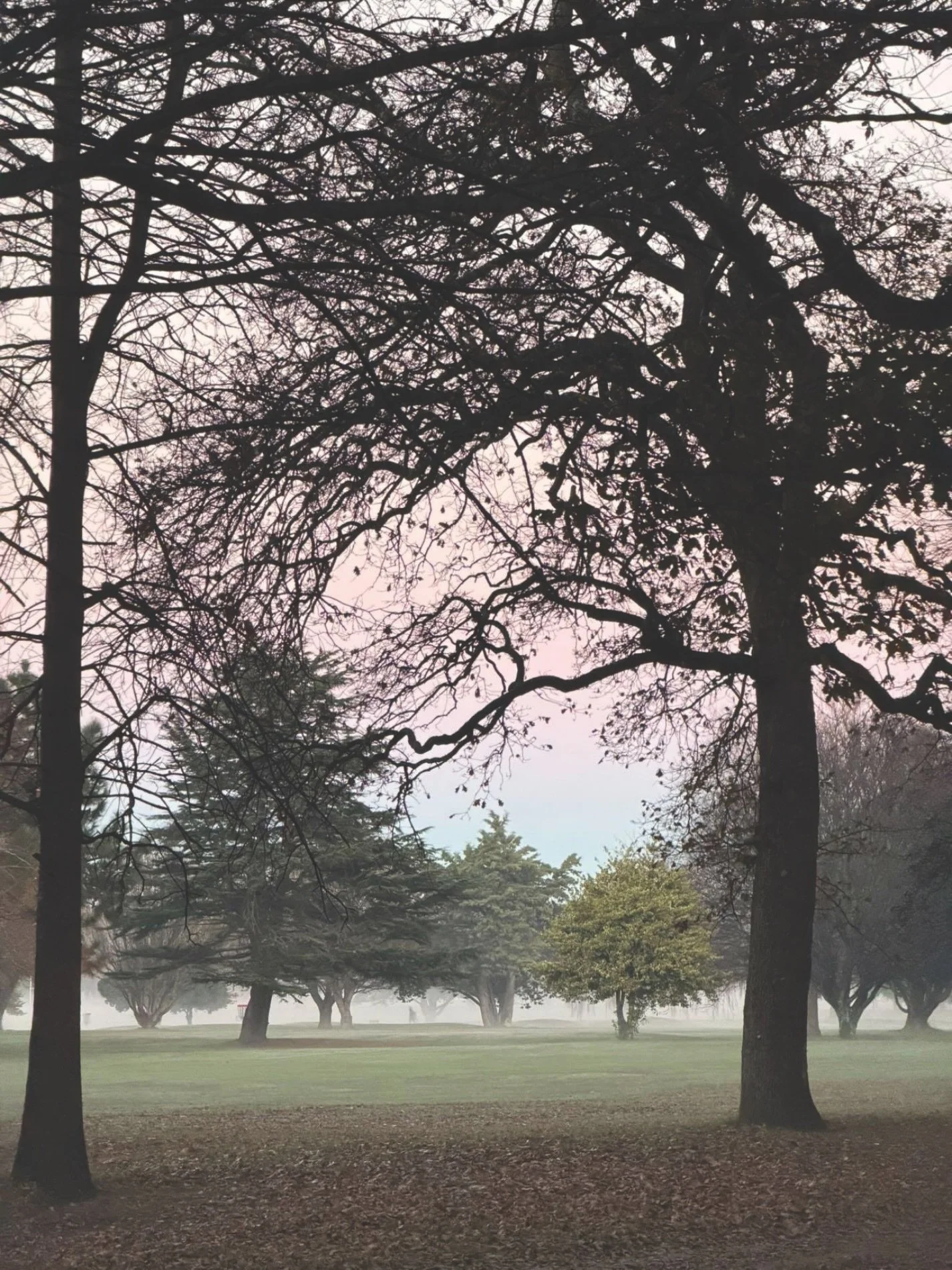
In public landscapes too, winter has its own civic generosity. Hagley Park on a foggy morning, the Avon moving slowly beneath bare willows, the Botanic Gardens reduced to line, bark, moss and moisture. These are not lesser versions of summer places: they are different places. More introspective perhaps, but no less valuable. They give the city room to breathe when we might otherwise hurry indoors and stay there.
Not all winter gardens succeed. Some become mean, exposed and joyless, their shortcomings revealed the moment summer’s abundance departs. But that too is instructive. Winter is an honest critic. It exposes weak structure, poor proportion and planting chosen only for a few weeks of floral applause.
In the end, the amenity that gardens provide in winter is not simply visual, nor even practical. It is emotional. They remind us that life continues quietly below the surface, that restraint can be beautiful, and that a garden need not be at its most abundant to be at its most generous.
Time to find my coat, admire the hellebores, and pretend I meant to leave the secateurs out in the rain. We do not defeat winter, but we can edit it.