In the air
There’s a noticeable shift in expectations for residential homes, says Craig South of South Architects in Ōtautahi Christchurch. Here’s how sustainability has become ingrained in good design.
At South Architects, sustainability isn’t treated as an optional add-on or an afterthought. It’s a core part of every client brief, an element that needs to be considered as part of the process.
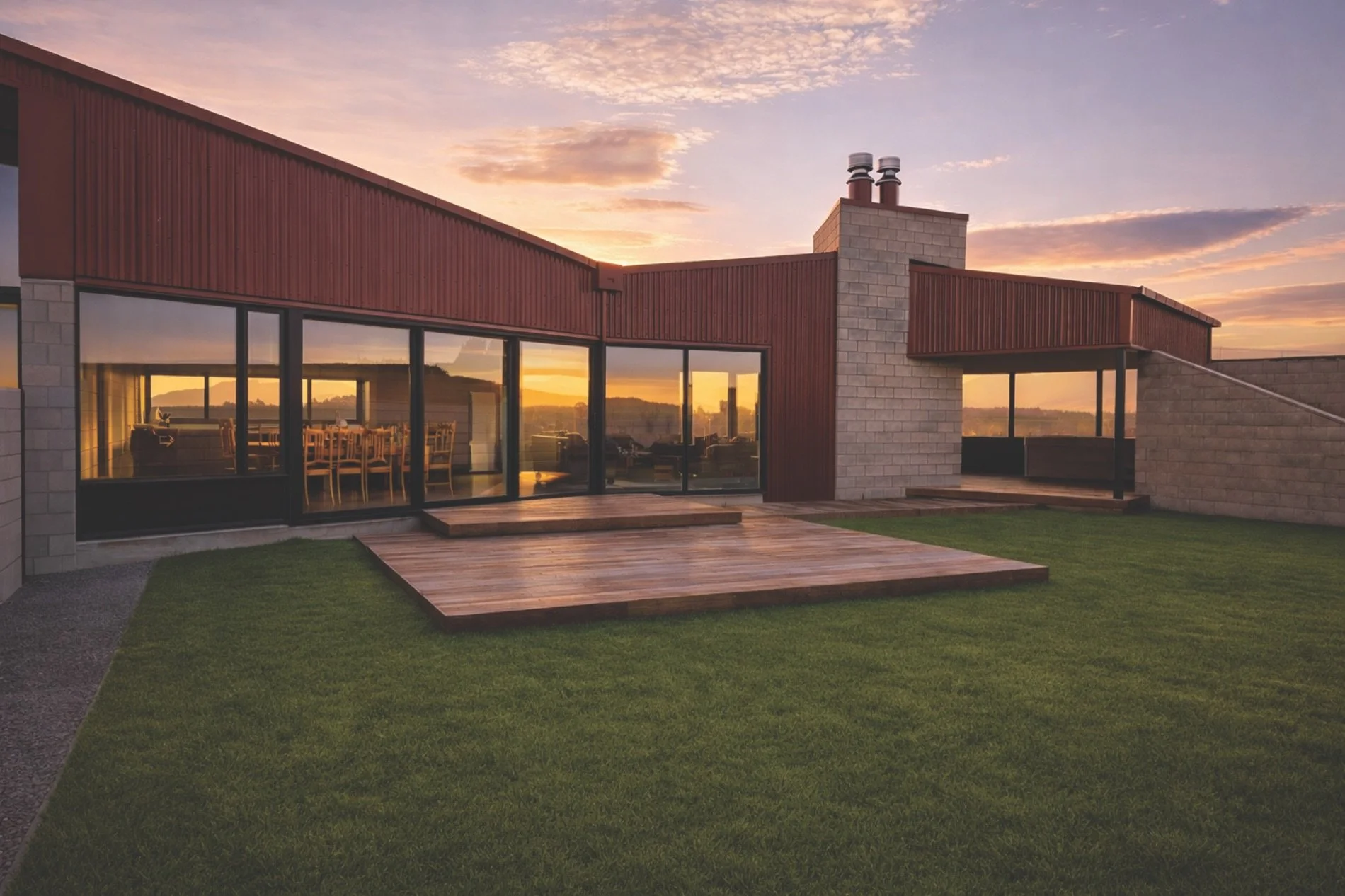
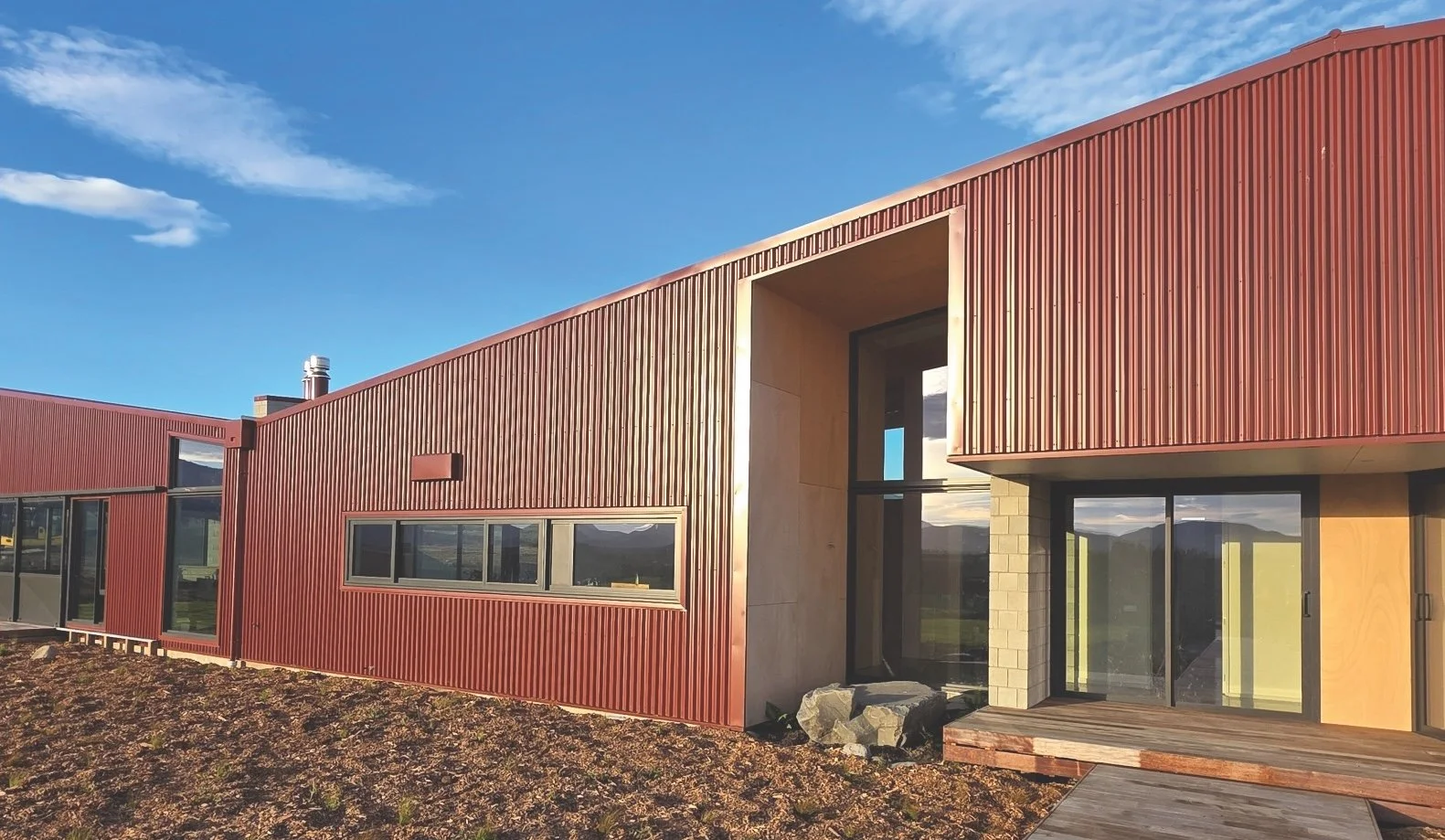
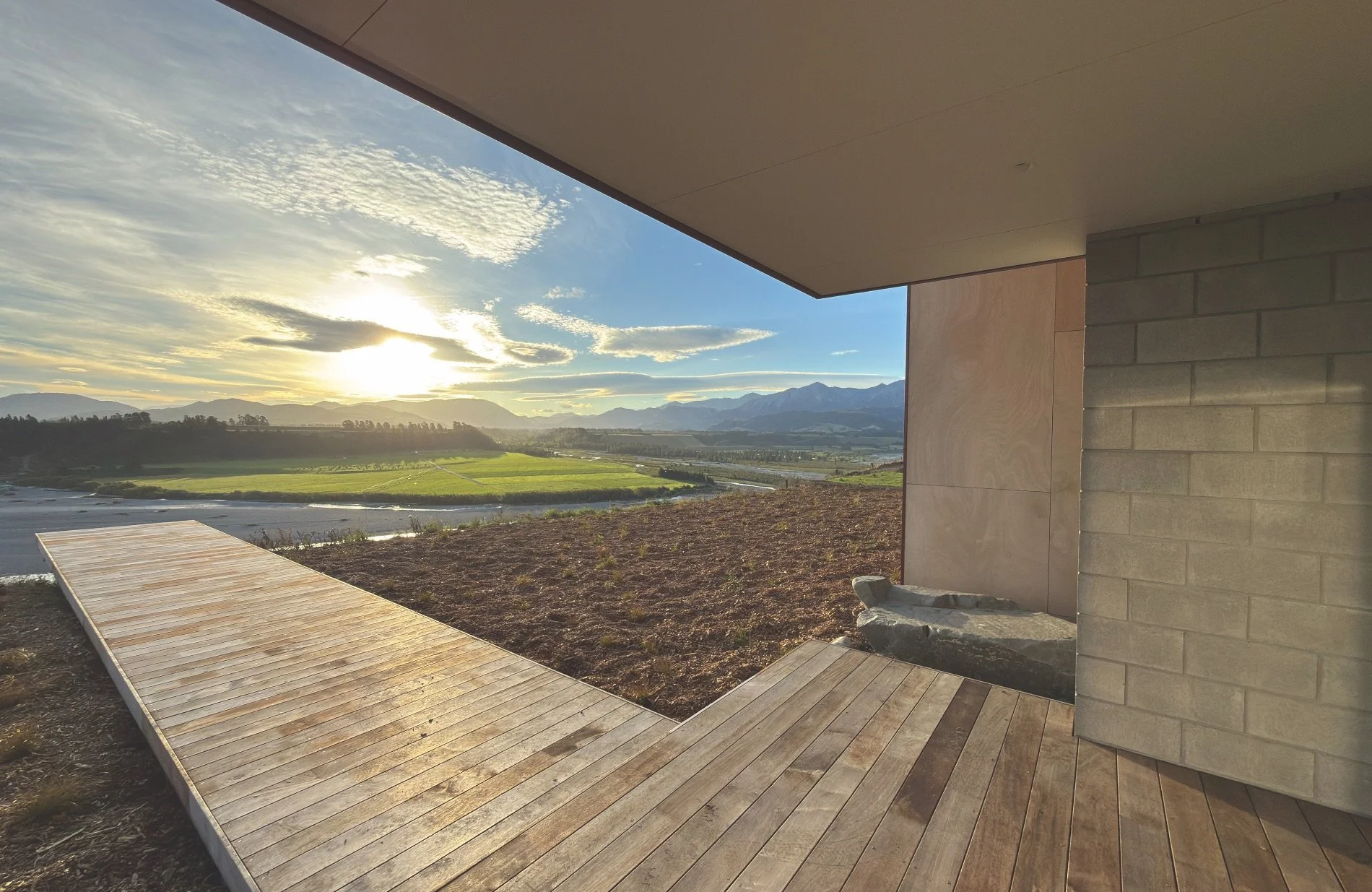
“For us, it’s embedded in the design, with passive design principles – such as orientation, natural ventilation, solar gain and control – working alongside form and function,” says director Craig South.
It’s an approach that underpins every project. More and more, homeowners are interested in the performance and durability of their builds, especially in terms of running costs and maintenance requirements. And increasingly, those conversations also include creating healthier environments.
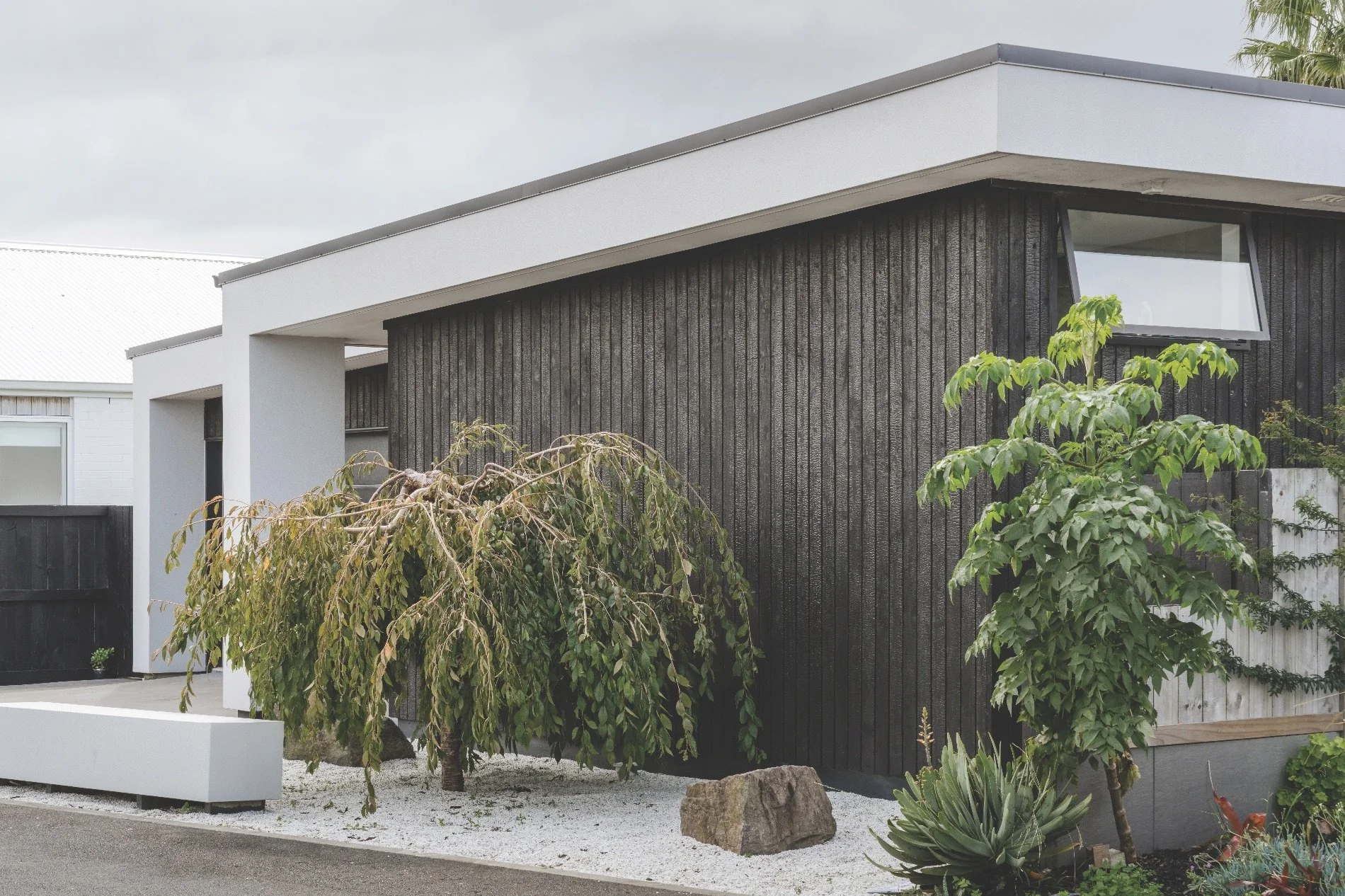
“Internal air quality is one of the most immediate benefits of good design,” says Craig. “A home should feel fresh, dry and comfortable at all times of the year. We place a strong emphasis on ventilation, natural light and material selection to ensure the internal qualities are as considered as the architecture itself.”
Importantly, these philosophies don’t impose on the aesthetics. The resulting architecture feels resolved, creating homes that are as visually compelling as they are comfortable to live in. But one of the key challenges is in aligning performance goals with financial realities for homeowners. Early collaboration with a quantity surveyor or builder is the best way to establish the costs, says Craig. “The earlier we make decisions, the more control we have over both outcome and budget.”
To Craig, planning a well-performing home is not just important, it’s fundamental. He has seen examples of new houses that experience significant overheating due to poor passive design. What should have been a comfortable, efficient home instead relies heavily on air conditioning even in winter – a costly outcome that could have been avoided. “We’re designing buildings that will exist for decades, so they need to perform as well as they look.”
This thinking also extends to more complex projects, including off-grid homes. Here, says Craig, architecture must work harder, balancing energy generation and storage, water collection, and waste systems in a cohesive way. These projects demand a highly considered approach, with each component impacting the home’s performance, resilience and long-term liveability.
“At the end of the day, the fundamentals remain consistent across all of our work. Passive design principles, including careful orientation, considered shading and appropriate shelter, are integrated into every project we undertake, whether off-grid or fully serviced,” he says. “These elements form the backbone of a well-performing home, reducing reliance on mechanical systems and creating comfortable, efficient spaces year-round.”