Maison en place
Meticulously designed to the last detail, this compact home in a leafy suburb in Cape Town, South Africa, packs some serious architectural punch.
WORDS Robyn Alexander PHOTOGRAPHY Greg Cox/Bureaux PRODUCTION Sven Alberding
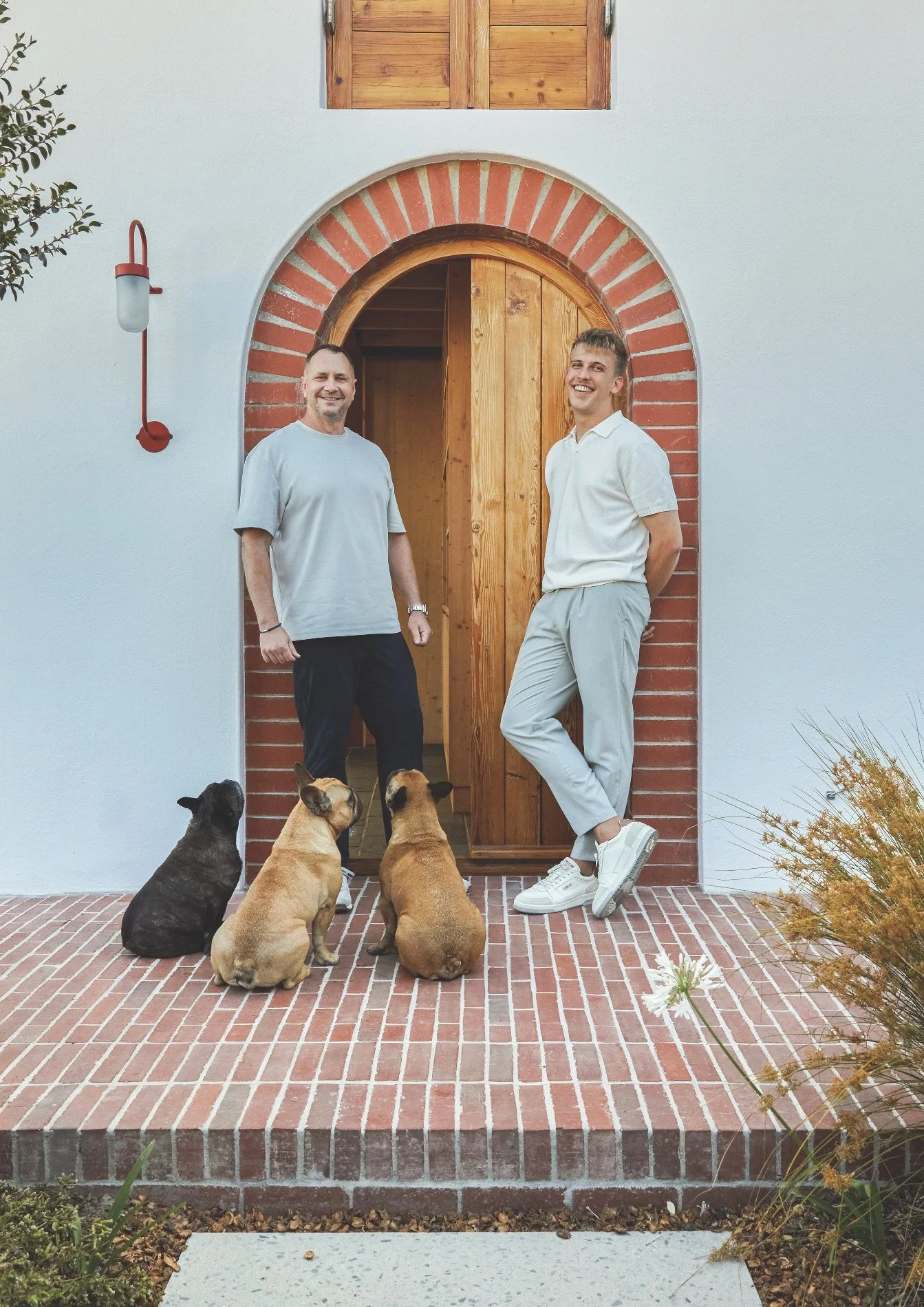
“It’s like I’ve always been building a furniture and art collection for this house.” These were the words of new owner Craig Lahee to the home’s architect Liani Douglas of Douglas & Company, much to her delight.
Liani’s appreciation for Craig’s considered taste is evident. “It’s so great when someone just gets it,” she says. Although Craig isn’t the original owner of this resolutely original home, he and the space are a perfect match. It shows that conceptual rigour in architecture makes it right for anyone who appreciates good design.
It was the classic story of “the ugliest house in a nice street” when she was briefed by the previous owners to design their home, says Liani. The property was a jumble of ad hoc extensions, outbuildings and a garage. All had to go, so the house could breathe.
“We went up on the existing footprint without keeping anything, apart from the existing foundations and exterior walls,” says Liani.
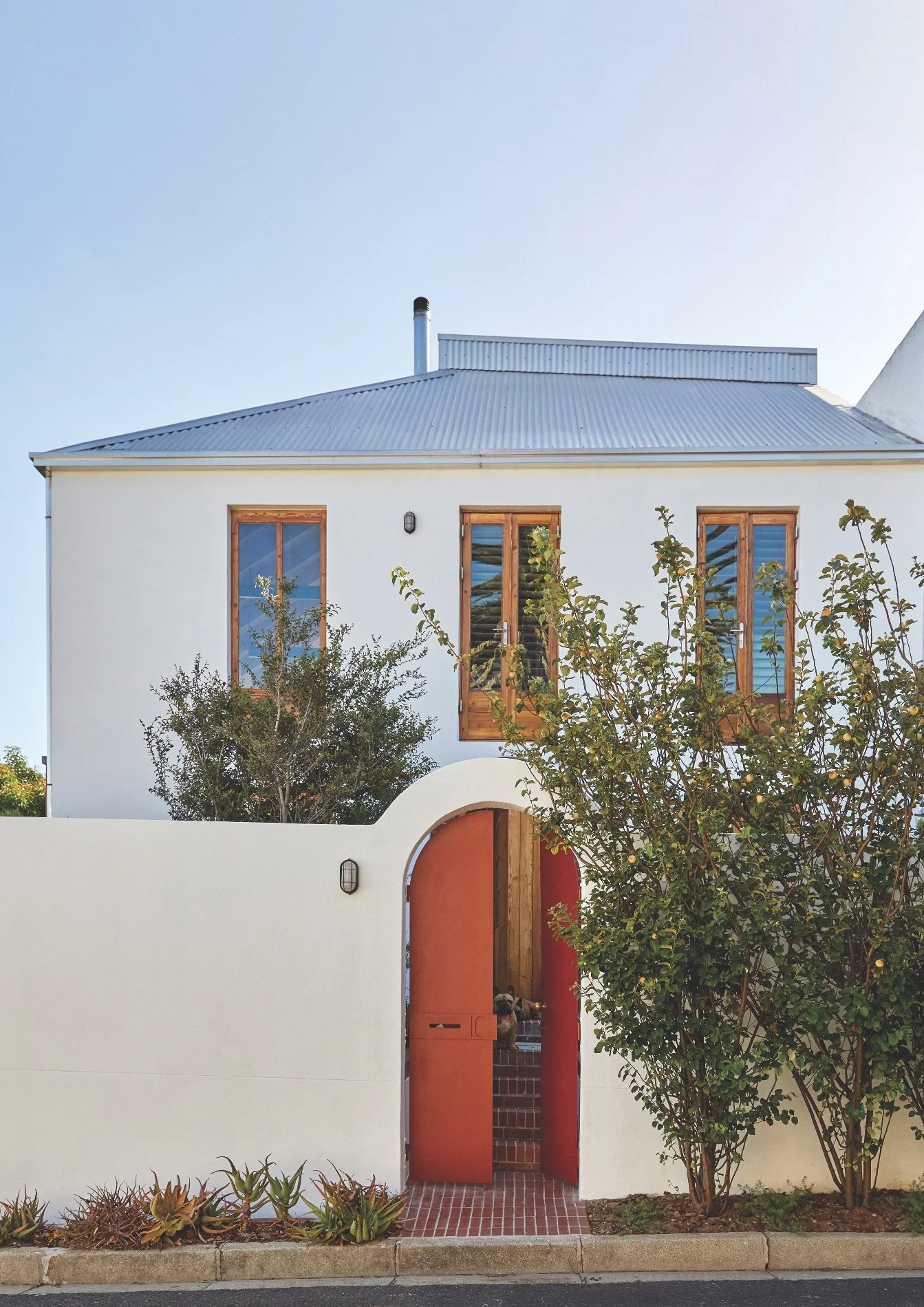
Situated in the charming environs of the popular Cape Town suburb of Newlands meant that the architectural plans had to be approved by the local heritage authorities, and had to fit in with what Liani calls “a village vibe”. This is why the facade, while very contemporary in some ways, also has an old-fashioned symmetry of proportion. The house retains the idea of a typical Newlands cottage, interpreted in a modern way.
It was important to Liani to avoid a pastiche-like feel: “We thought, we've got free rein, so let's be honest about all of this being new – we're not trying to pretend it was all here before.”
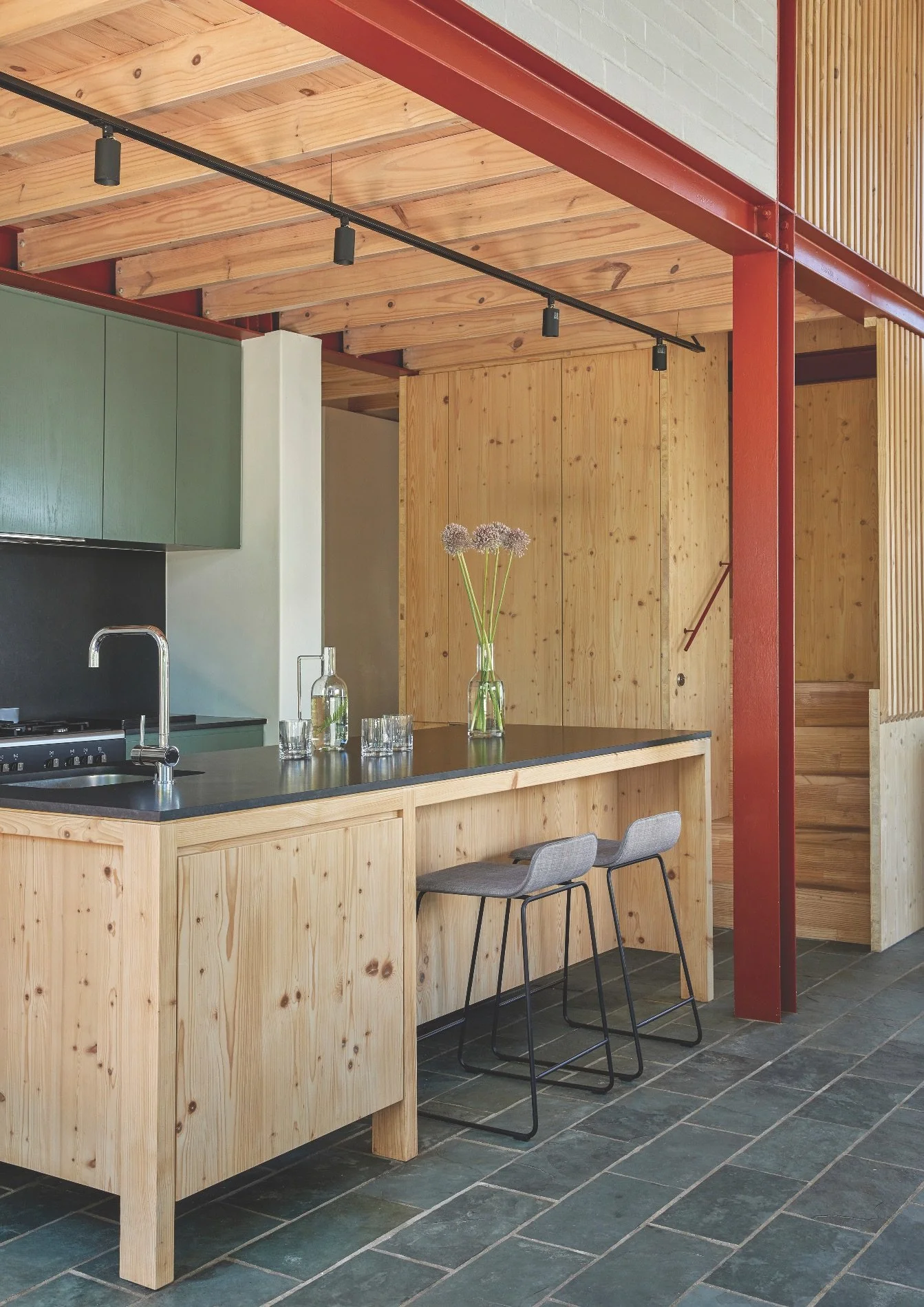
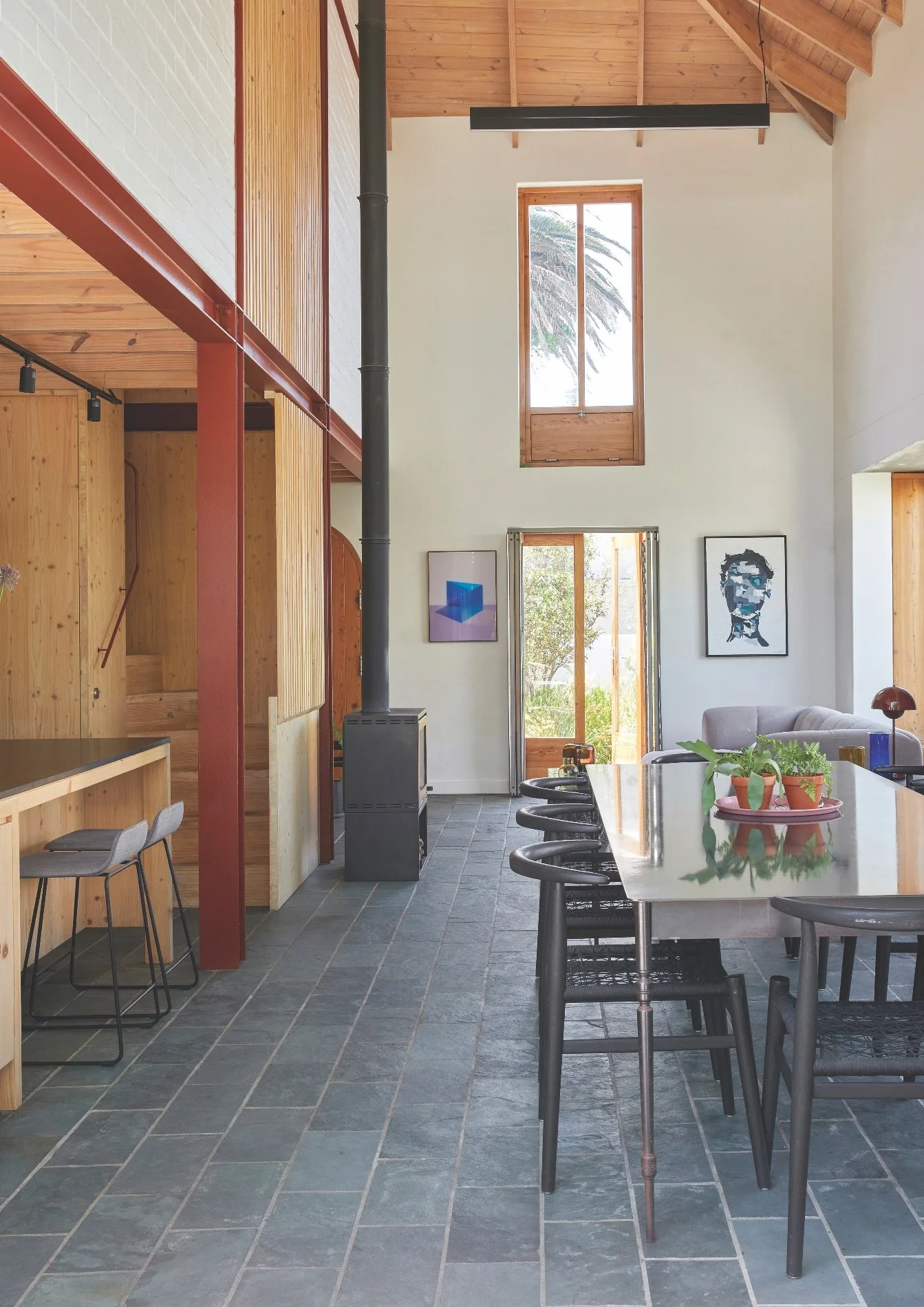
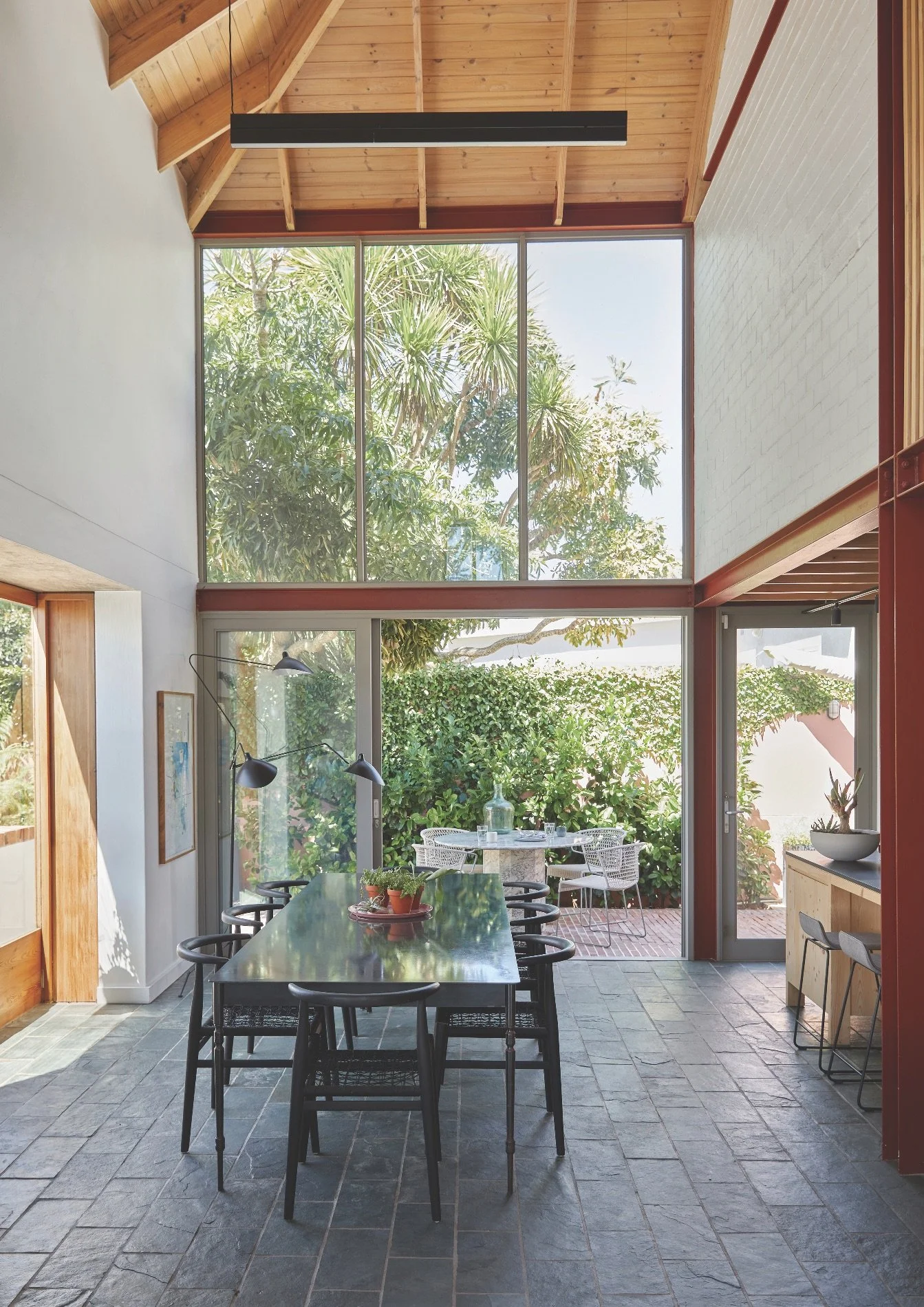
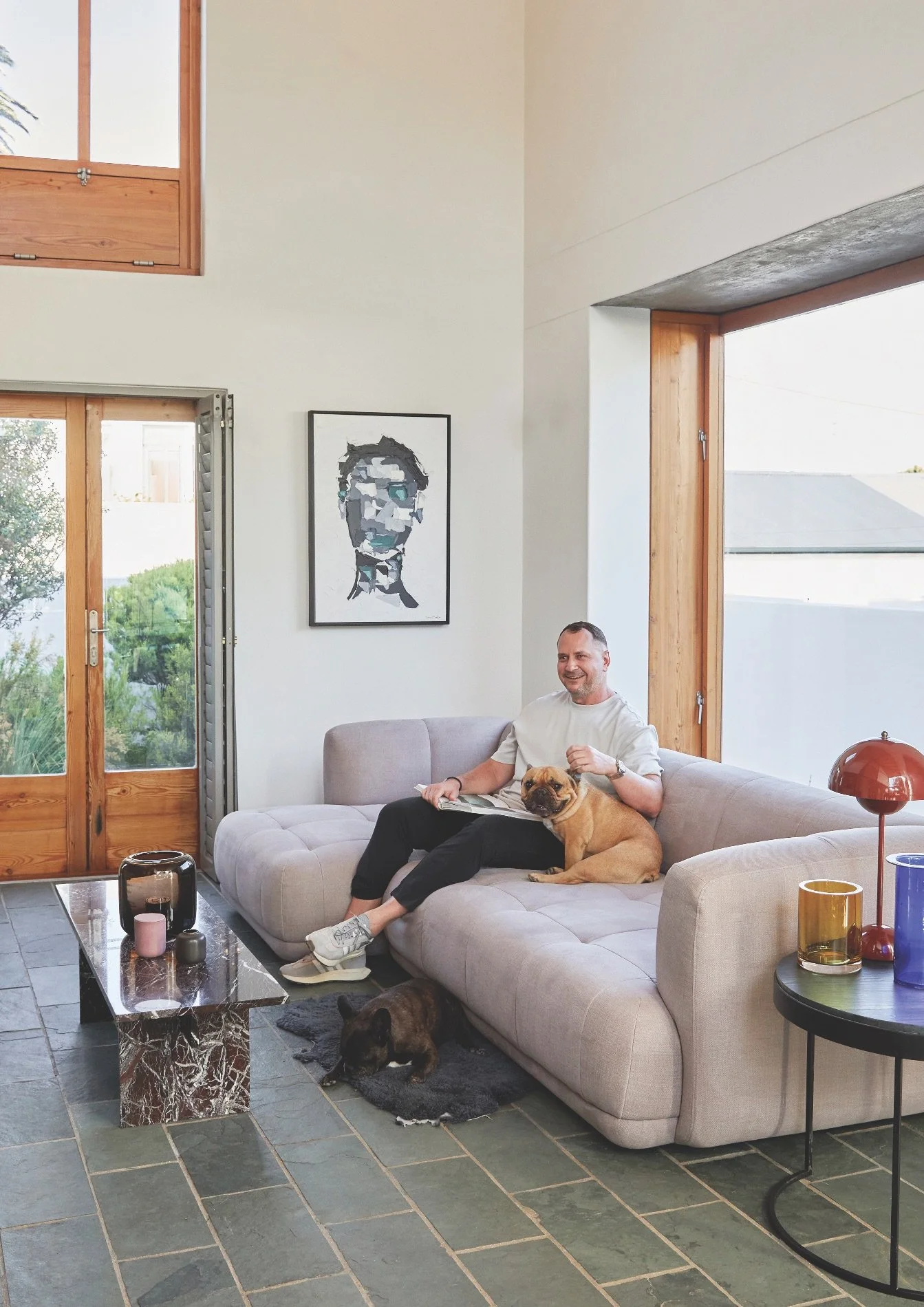
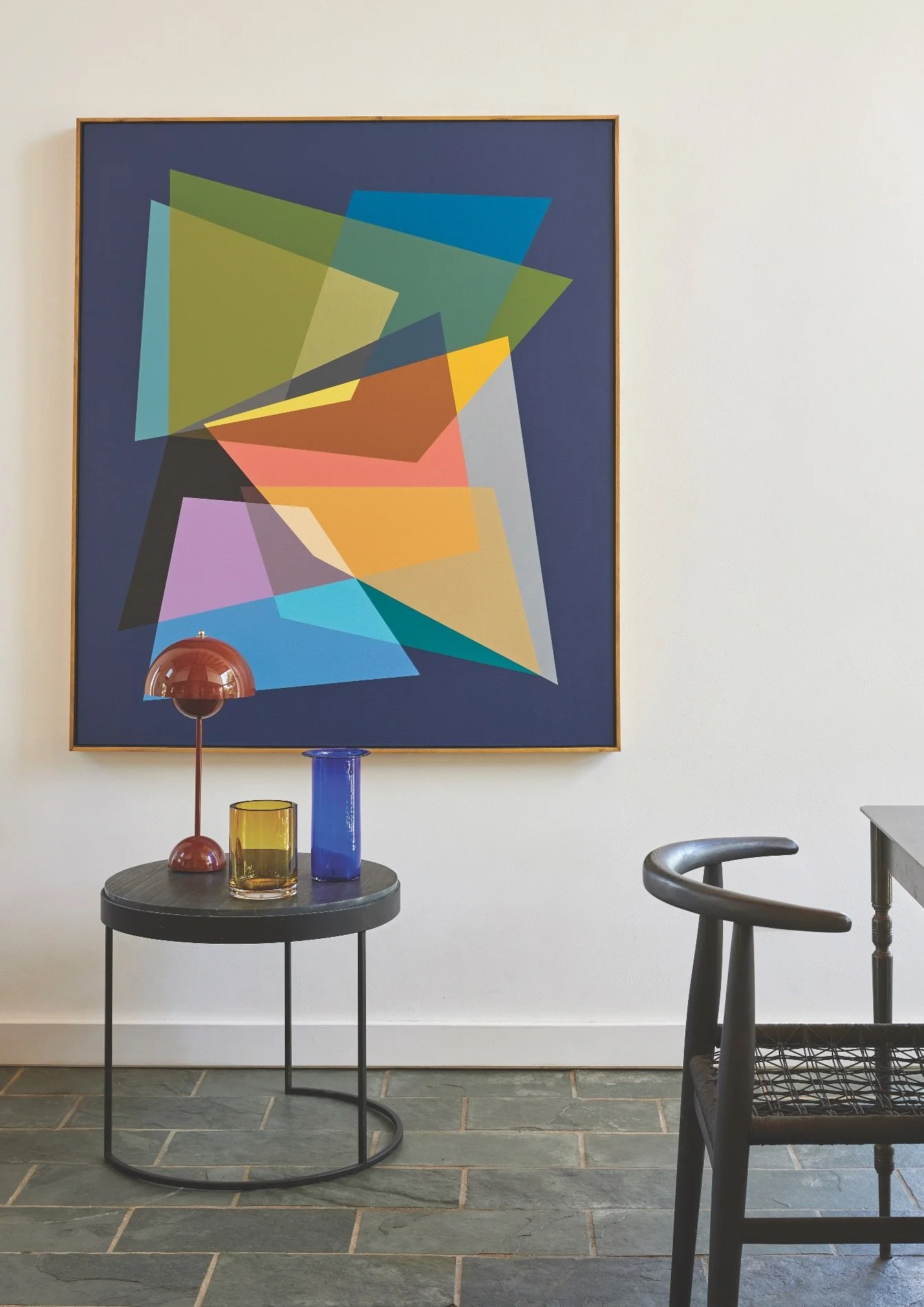
The architecture is centred around two main principles: first, that if you’re going to make something, you should make it beautiful. And second, that ordinary, everyday building materials should be celebrated. “We were very deliberate about not trying to hide the building’s materiality.”
The wooden floors and ceilings are exposed, as is the steel frame that holds up the house. “That's what we enjoy doing: being honest about natural materials, but also simple and humble materials,” Liani says. For example, she says, people tend to hide away South African pine, but she instead prefers to use it in an inventive way that makes it beautiful.
All the elements of the house’s design are colour-coded. The steel frame structure is painted in an oxide red. Light fixtures and other essentials that need to be in the background are black. The kitchen joinery is green. The wooden elements are left as natural as possible, and the brick exterior walls are plastered and painted white.
In a house as compact as this one, every aspect needs to work hard. “We've used joinery to demarcate areas rather than deploying brick walls to define spaces. And they also have a connective function: a piece of joinery might include a TV unit on one side and then a storage cupboard on the other, for example.”
Says Craig, “Everything has to have a purpose and do two or three jobs at the same time.”
In a way, the architecture is mise en place – a French culinary term meaning “everything in its place” and referring to the practice of organising and preparing all your ingredients and equipment before you start cooking. Here, there is a thoughtfully designed place for everything, and everything has its ideal place.
Appropriately, one of the places where this smooth and efficient design approach is most evident is the kitchen. It’s clear that Liani has strong ideas on joinery design. “I don’t see it as a separate entity to the architecture,” she says. “It’s complementary – and I feel they need to talk to one another. Otherwise, it always feels like it’s just plonked in. This feels like it’s part of the furniture.”
From the garden shed to the recessed handles on the main ensuite bathroom’s full-height door and the steel balustrade that snakes up the staircase, there is both surprise and delight. Combining beauty with functionality, every element of the design works perfectly while also being pleasing to the eye.
Because so many of the necessary aspects of storage and furniture are built in, the house requires relatively little additional furniture. “You just need beds, your bedding and some seating,” says Craig. The conceptual architecture, however, means it does take a discerning eye to add just the right items. “We struggled to find a sofa,” Craig says. The one he’d had in his previous home was too large and contemporary. After a few months of searching, he and his partner, Tiernan Clifford, chose the low-slung Quilton by HAY that now graces the space. “I love it because it’s got that Scandinavian appeal, which suits the house,” he says.
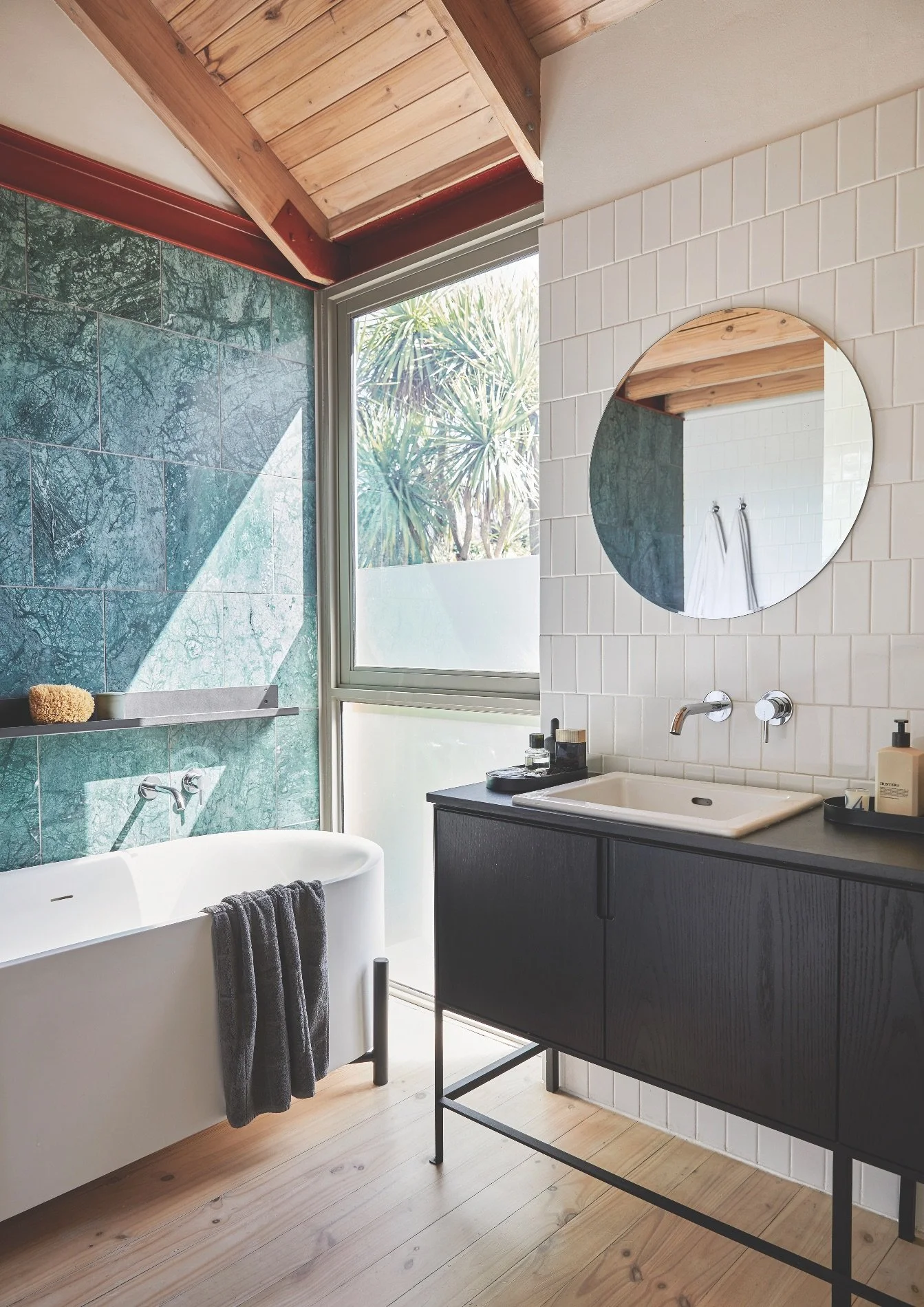
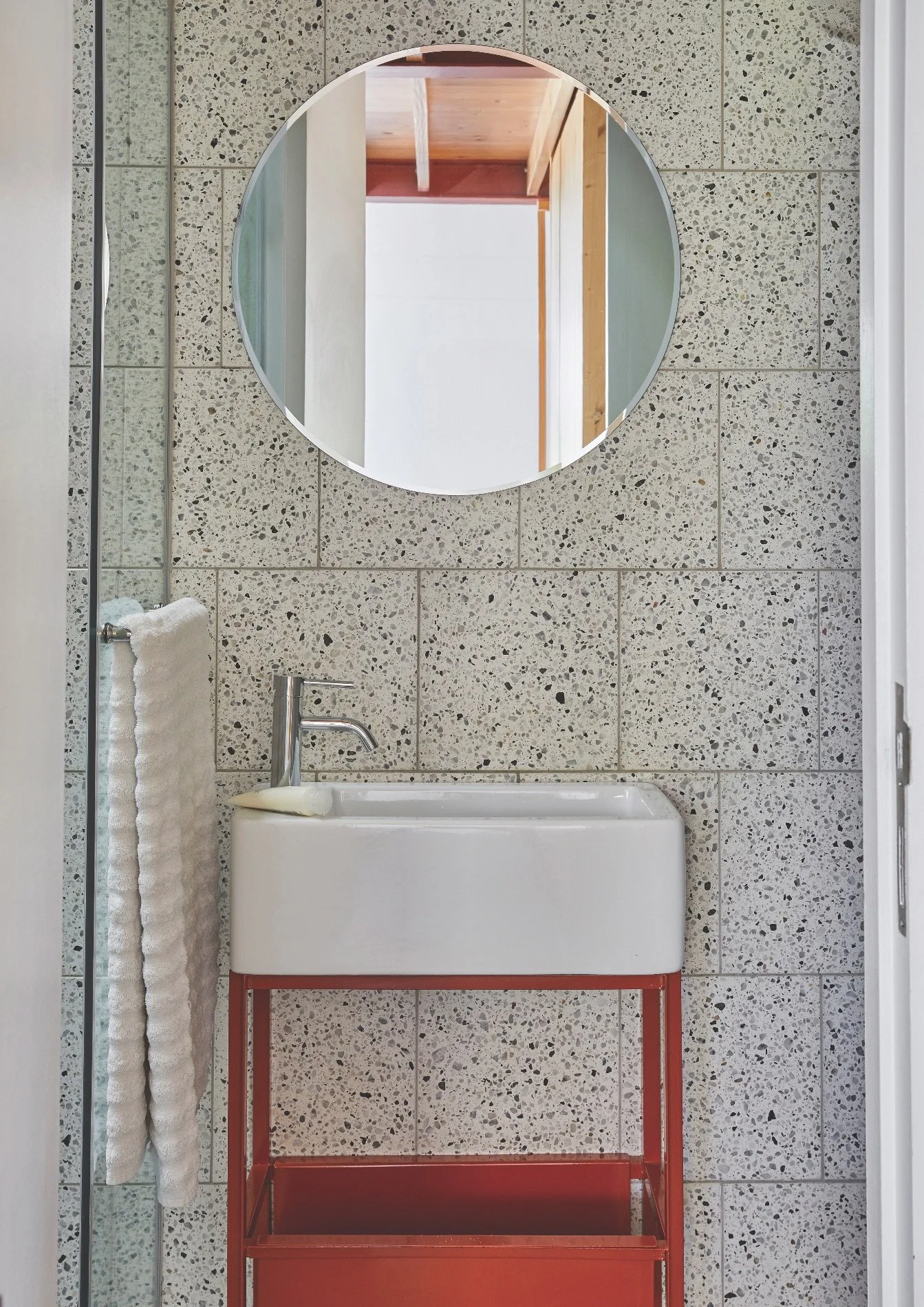
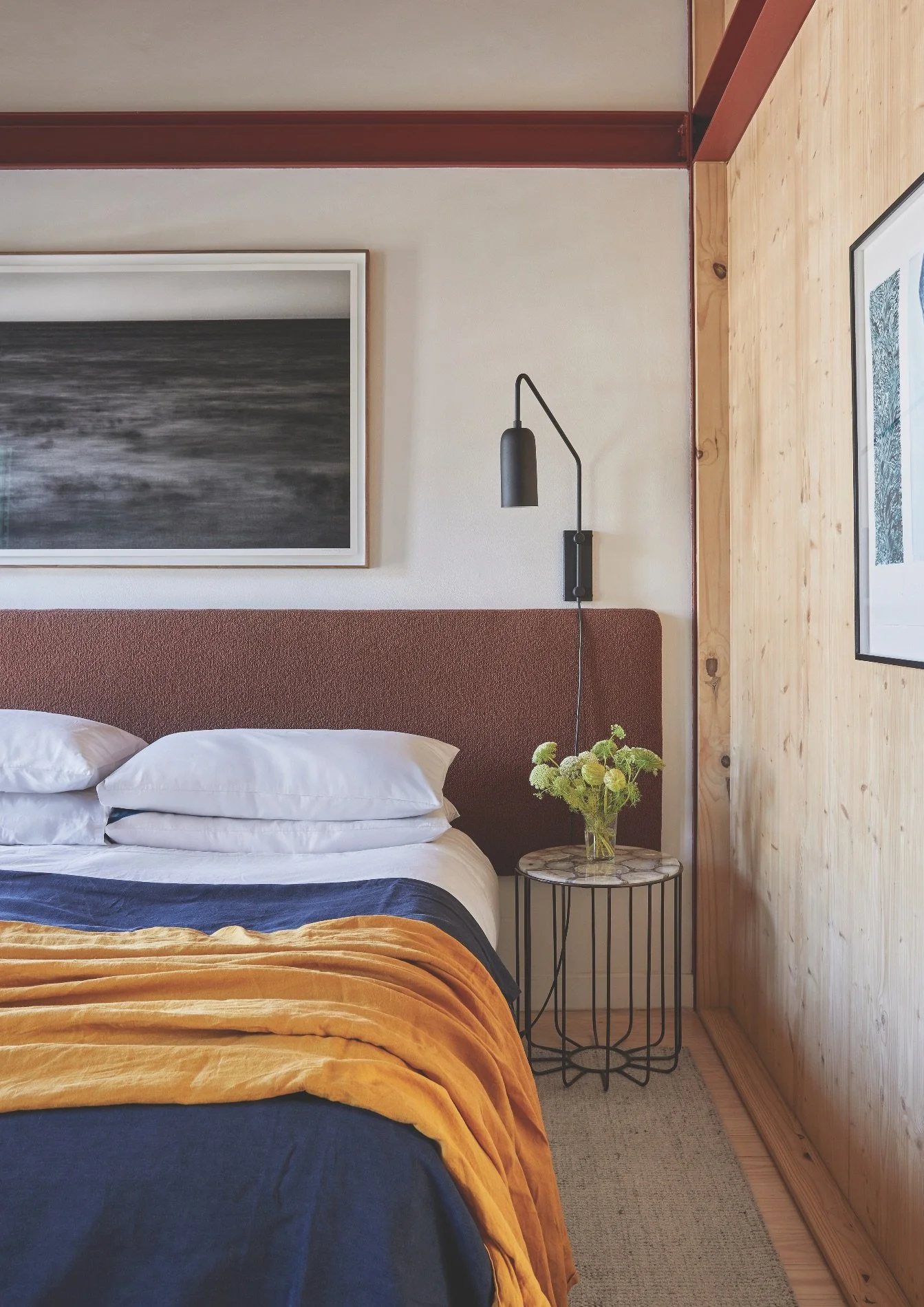
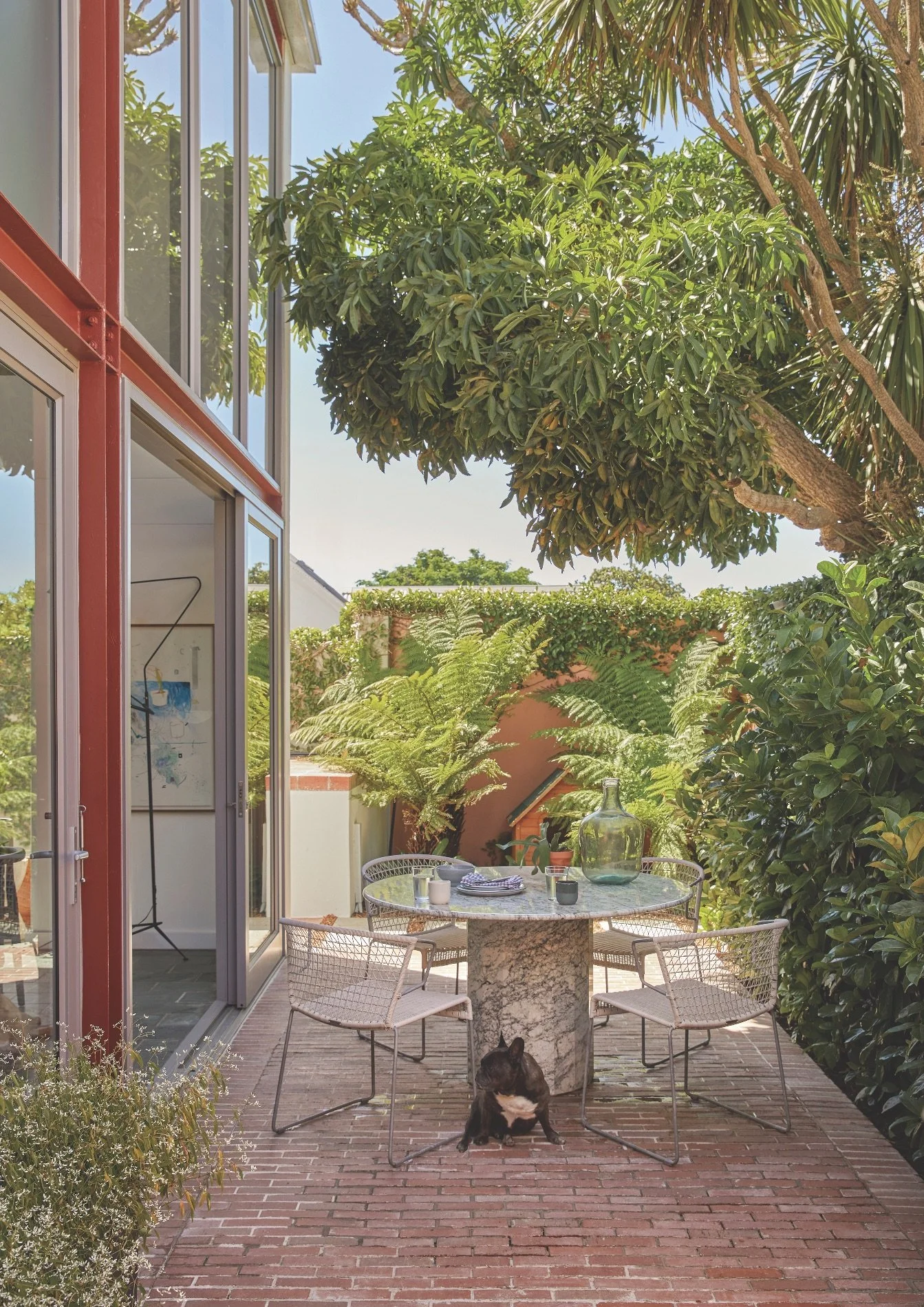
The courtyard garden is lush and thriving, adding a touch of softness and greenery to both the outdoor and indoor spaces. Brick pavers form the floor of the courtyard.
Both Craig and Tiernan admire the open-plan living, dining and kitchen area that forms the heart of the house. With its triple-volume ceiling height, and fronted by a pair of boxy bay windows, this is the space that draws light into the structure as a whole – and glimpsed from the exterior, it’s also what attracted Craig to this home in the first place. He was house-hunting in the area and came to view the property next door to this one, which was on the market at the time. “I looked at it with a friend,” says Craig, “and when we came out from the viewing, we looked up and saw this house and were like, ‘Wow, that would be the house to buy.’ Then about seven or eight months later, he sent me a link: ‘The house is for sale, the house is for sale!’ So I messaged the agent, we came and looked at it, and I think I put in an offer on the same day.”
Almost everyone who visits, he says, is struck by the fact that the house feels so much bigger than it is. The living area, which Craig describes as almost cathedral-like, is one of the main reasons. On the ground floor, this space leads outdoors to a small courtyard garden at the rear, as well as a guest bedroom and bathroom. A central, partially enclosed stairwell leads up into the more private spaces. On the first floor is the main bedroom and ensuite bathroom, and perched like an eyrie on the second floor is a working space that has a lovely view of the mountains over the surrounding rooftops.
The way this home cleverly mixes sociability and privacy, practicality and aesthetic appeal makes it a gem of contemporary domestic design.
Tiernan’s favourite part of the house is the main living area. “I love the light, and sitting on the sofa looking out. Having this feeling of space and greenery in such a small home is so lovely and unexpected. I think that is what the beauty of this house is: it is a tiny plot and a small footprint, but it carries such a big presence. There’s a lot of bang for your buck. Everywhere you look, there’s something to wow you.” The courtyard garden is lush and thriving, adding a touch of softness and greenery to both the outdoor and indoor spaces. Brick pavers form the floor of the courtyard.