Found in the landscape
Tony Milne of Rough Milne Mitchell Landscape Architects on what passes for art when out and about, and why it’s all important.
I have stolen a couple of hours to write this while spending the weekend in Hawke’s Bay, a region rich in beauty, with Napier renowned for its art deco form – the seed for these musings.
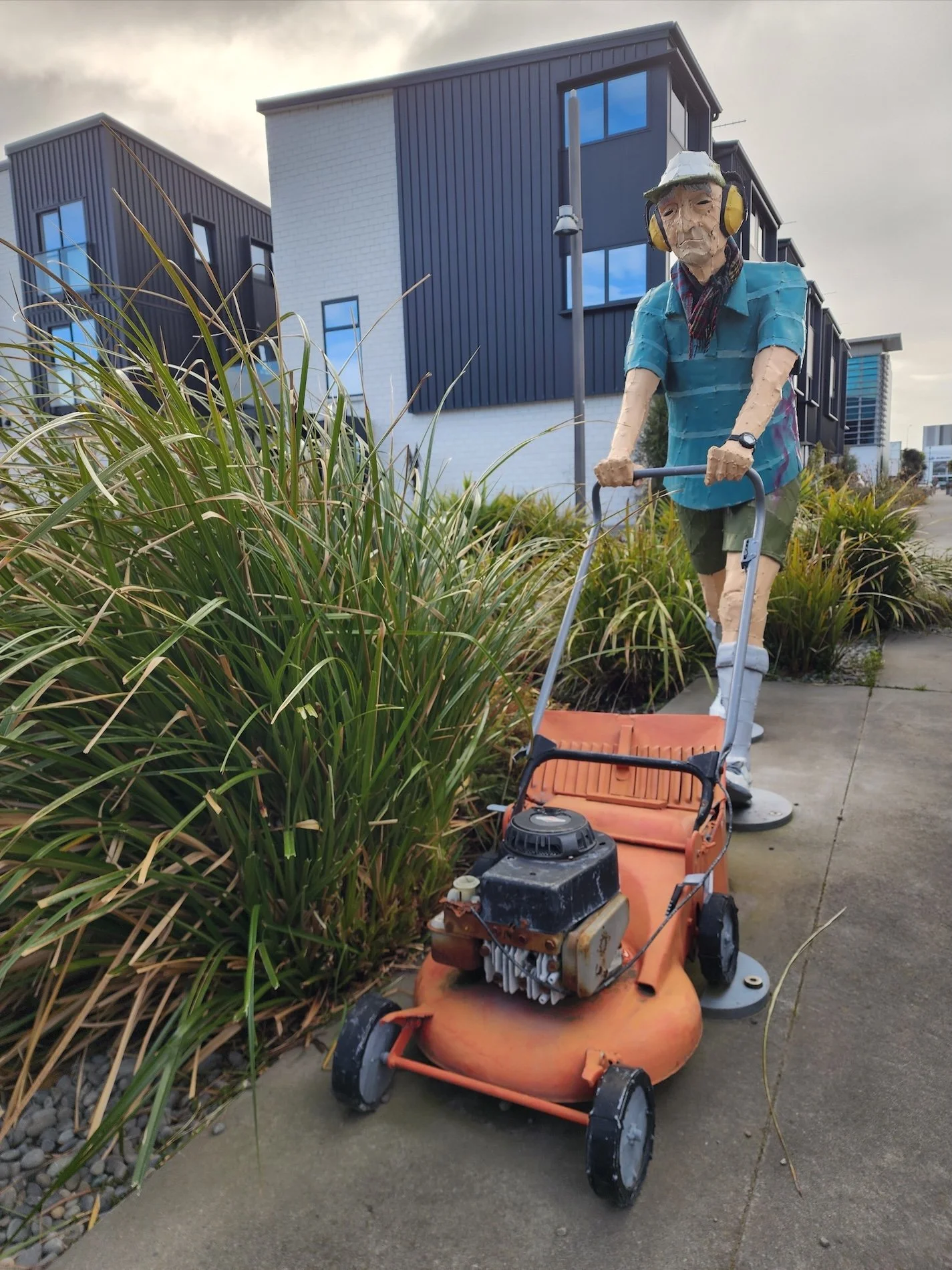
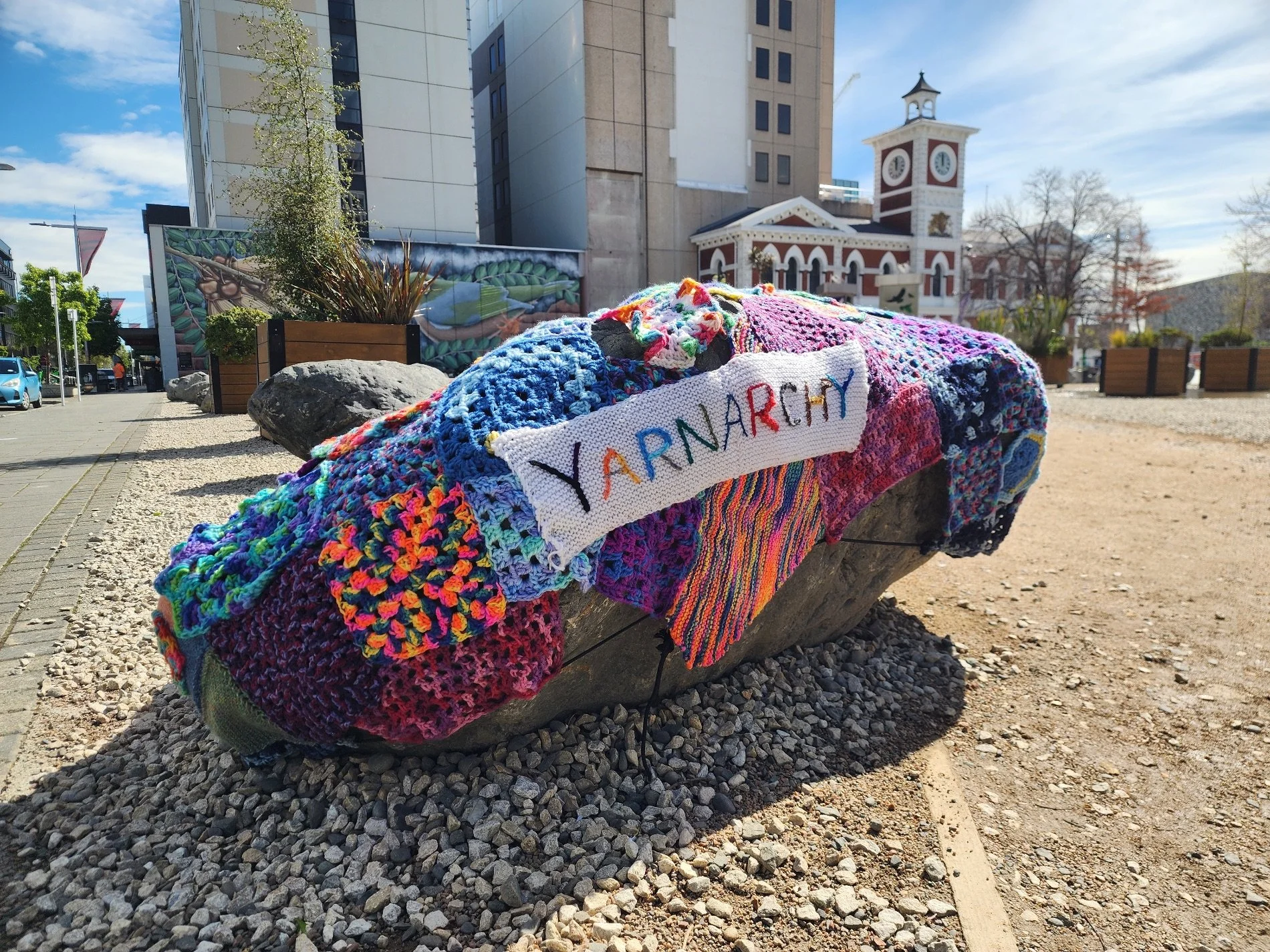
Recently, walking through central Ōtautahi without urgency (the correct way to walk, if one can manage it), I stopped beside public art I had passed many times but never seen. It was neither hidden nor disguised as a bike rack, although Christchurch has excellent bike racks, so one should not rule anything out.
It made me wonder how much art in the landscape is discovered, rather than merely looked at. We can commission sculptures and murals, carve words into stone, or illuminate bridges, but the encounter belongs to the passer-by. Art becomes meaningful when it interrupts the ordinary just enough to command attention.
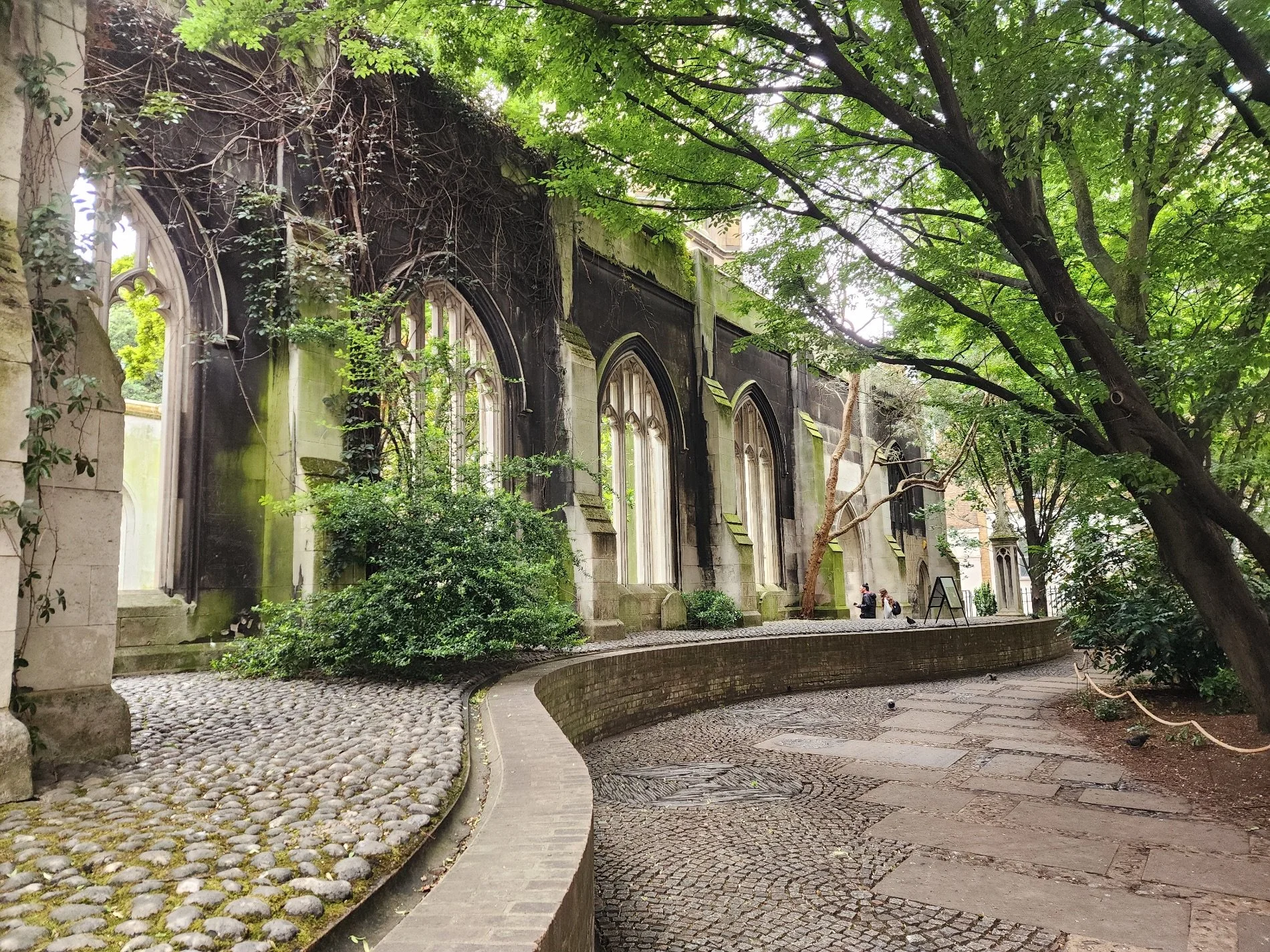
Landscape architects often treat art as something to accommodate: a plinth, a wall, a footing arriving late in the construction programme. Yet the best work feels grown from its setting, framing a view, catching light, recording memory, inviting touch, confusing children, annoying talkback radio, and becoming part of how a place understands itself.
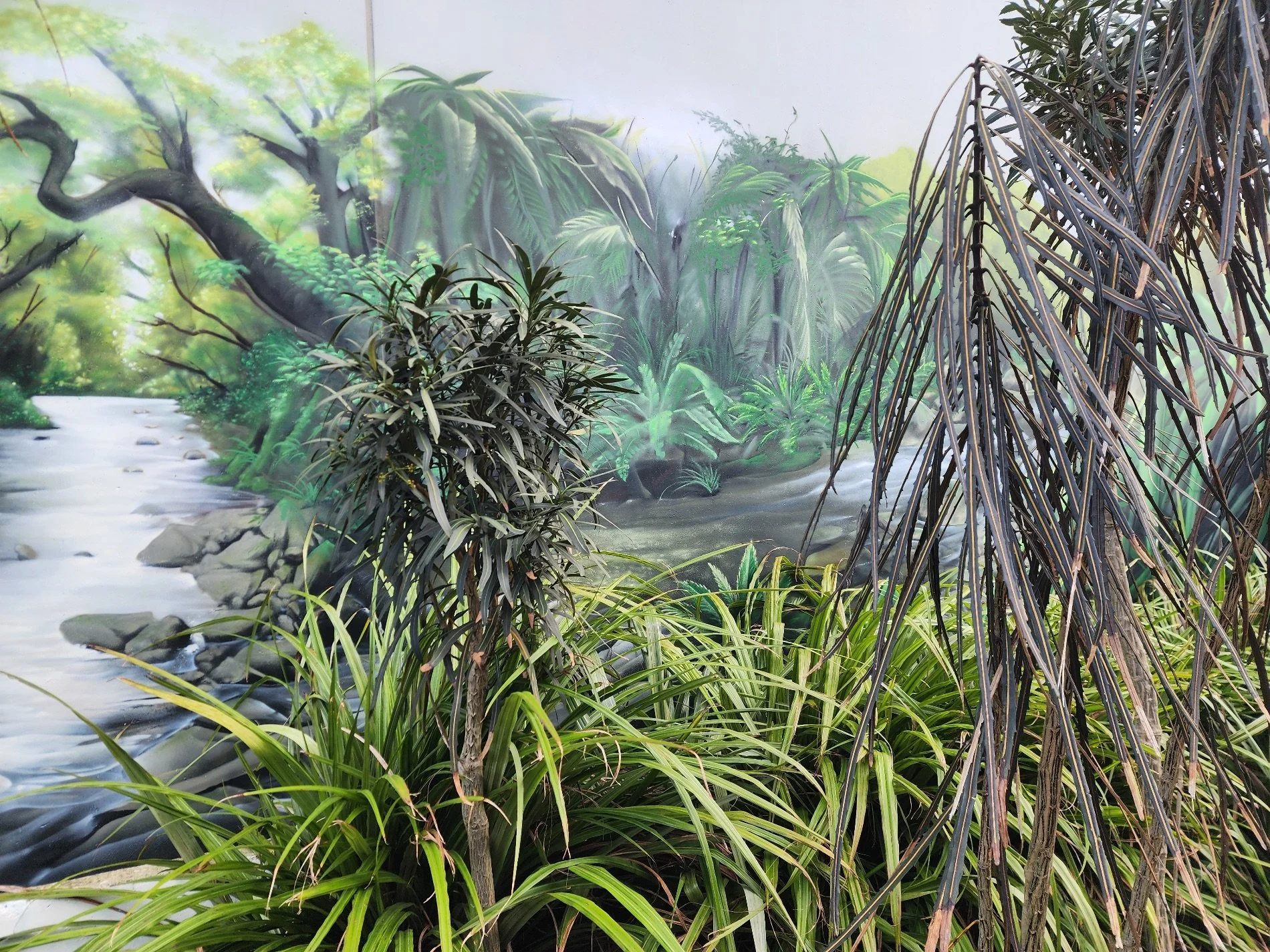
Ōtautahi is rich in such moments, perhaps because it is fluent in absence, memory and repair. After the earthquakes, art appeared on empty sites, broken edges, temporary spaces, waiting walls, laneways and fences. Playful, poignant and well executed, it reminded us that landscape is never merely surface. It holds feeling.
I favour art that asks something of its setting. Beside Ōtākaro Avon River, a work speaks with water, reflection, movement and time. A mural can alter a street’s temperature; a garden sculpture can slow a walk through curiosity rather than reverence. Even a well-placed stone can become more than a stone – either profound or a useful justification for landscape architects everywhere.
Not all art succeeds. Some works occupy public space like dinner guests who offer little to the conversation; others rely on plaques working harder than the art. Nor can art solve what design has failed to resolve. A sculpture cannot redeem a windswept plaza without shelter, seating, shade or generosity, though one admires the optimism.
The best encounters are often quieter: paving patterns revealed from above, a curated garden threshold, an unusually thoughtful seat, or a balustrade’s late- afternoon shadow. We may not call this art, but they perform the same task: drawing attention to the immediate world and making it briefly less anonymous.
Discovering art in the landscape is less about objects than attentiveness. It asks us to pause, look sideways, and let a place disclose itself. Ōtautahi, still becoming and unbecoming, rewards this gaze. Its art lives not only in galleries, but in courtyards, streets, river edges, gardens and the many walls that have become beloved.
Ultimately, art in the landscape gives us another way to belong. It marks the places we pass through, lets memory settle, and reminds us that utility alone is a thin ambition for public life. Time to retrace my steps and see what else I have confidently failed to notice.