More than ornamental
Tony Milne of Rough Milne Mitchell Landscape Architects explains his fondness for follies in the landscape, whether purely decorative or with hidden meaning
Last year I took part in a Pecha Kucha evening, speaking on a topic mischievously titled “A girl with a goat and half-arsed observations on follies”. With only six minutes to work with, the challenge was not only brevity but seduction – how to hook an audience quickly and hold their attention. It was an easy choice of subject. I have long held a fondness for follies, those curious and often misunderstood intrusions into the landscape that, to my mind, deserve far more affection than they receive.
In previous columns I have argued for the importance of a compelling design narrative, yet as designers we can sometimes become overly enamoured with our own sense of purpose. In one sense a folly offers a gentle corrective. It does not demand justification or utility; it simply is. The word itself derives from the French folie, meaning foolishness – a reminder that not everything must be earnest, efficient or imbued with gravitas. Sometimes delight is reason enough.
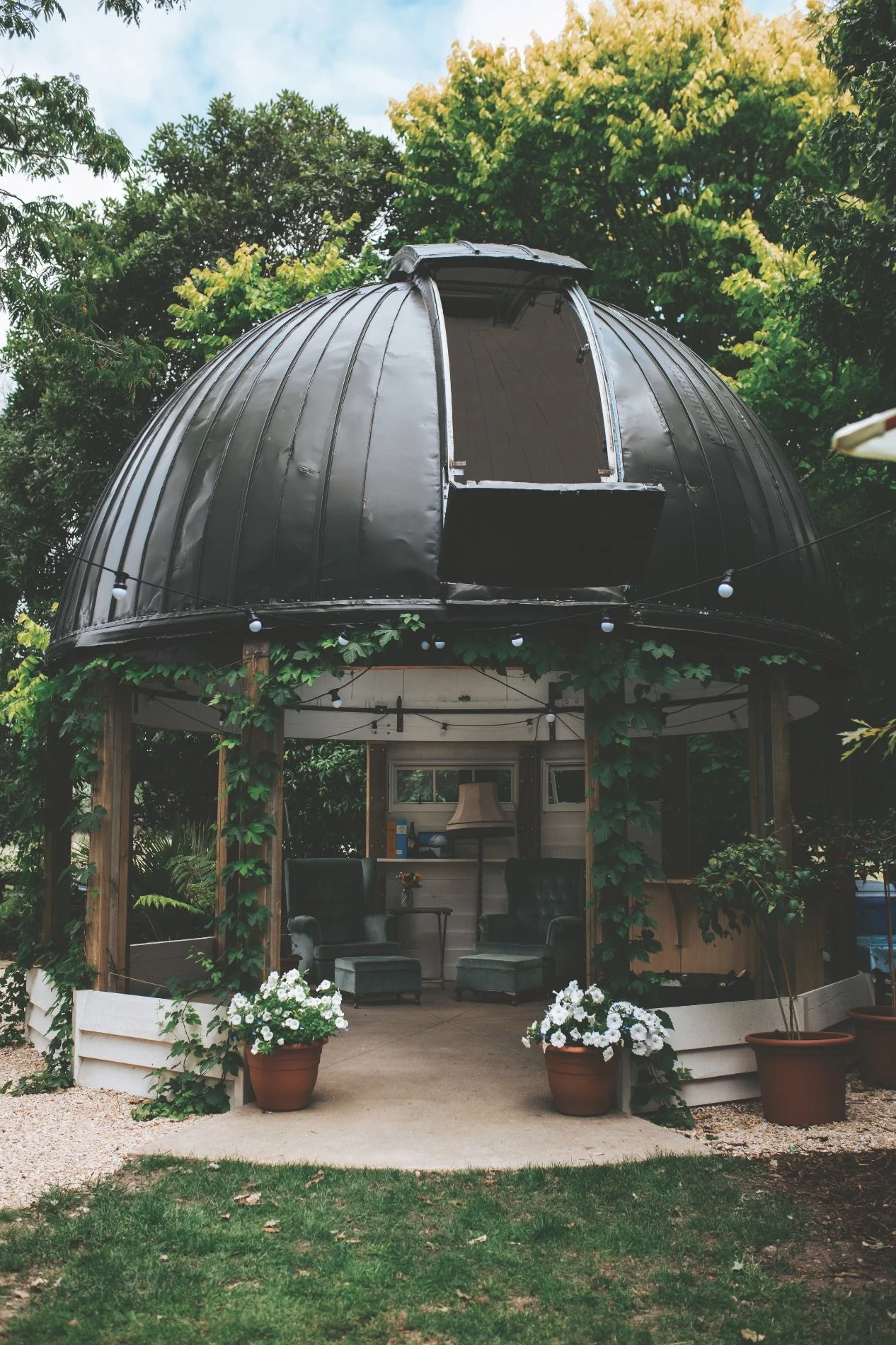
Follies first rose to prominence in England during the 18th and 19th centuries, when Romanticism shaped approaches to landscape design. Traditionally, follies are playful, whimsical structures, often non-functional, created purely to add to their surroundings. Carefully positioned to enhance the pictorial qualities of the landscape, follies existed primarily as visual punctuation – architectural gestures designed to delight the eye, encouraging pause and curiosity, enriching the experience of place.
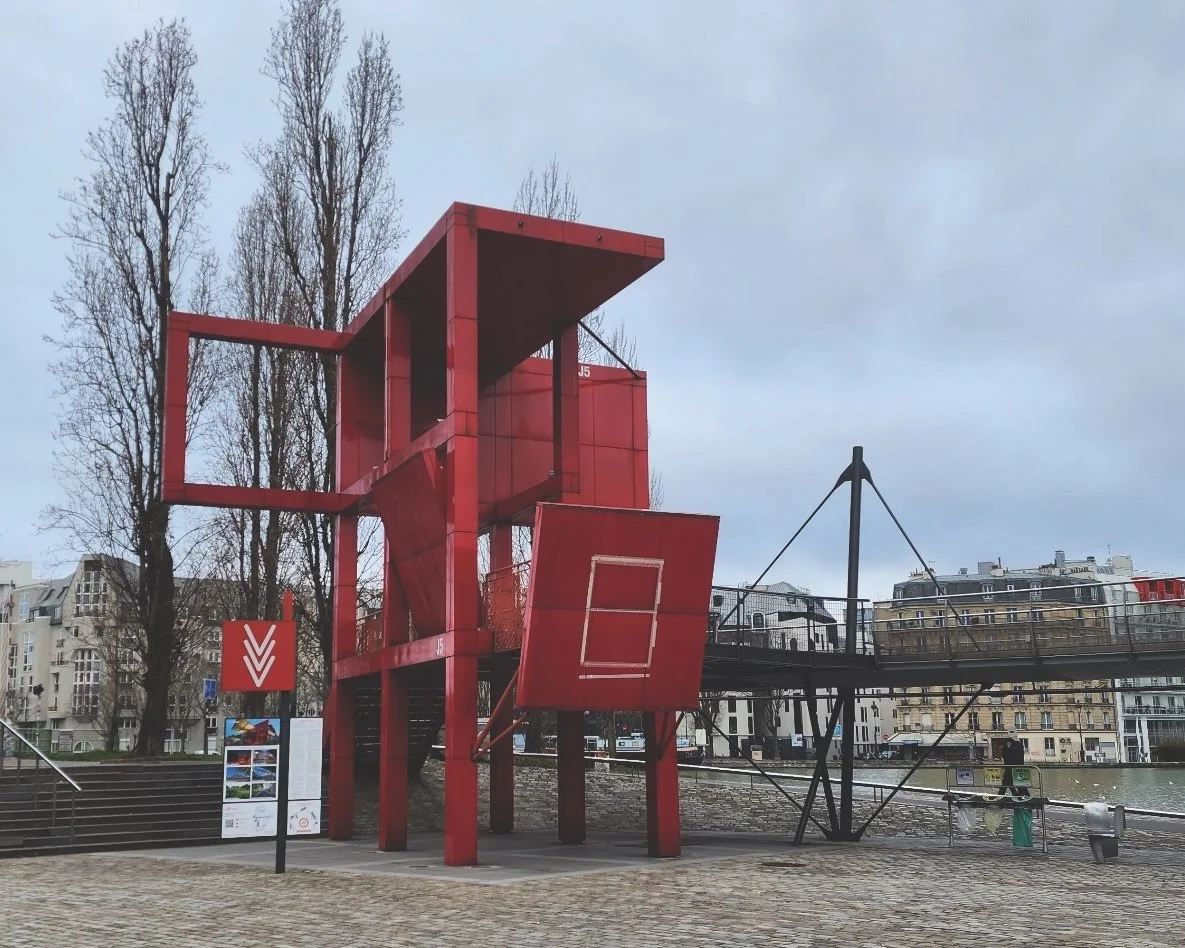
Yet not all follies are non-functional. Lacing up my running shoes one day in Paris, I made my way to the follies of Parc de la Villette. Designed by architect Bernard Tschumi and completed in the 1980s, the park is structured around a grid of 35 bright red follies that form one of the most distinctive architectural landscapes in Paris. Dispersed at regular intervals (a 120sqm grid) across the site, the follies act as markers, meeting points and catalysts for movement, play and interpretation.
Their repetition and variation challenge traditional ideas of composition and hierarchy, emphasising experience over monumentality. In La Villette, the follies are not decorative embellishments but conceptual devices – architectural punctuation that frames views, encourages wandering and invites the visitor to engage with the park as an evolving, open-ended narrative rather than a finished object. It was in this park that I met the aforementioned girl with the goat.
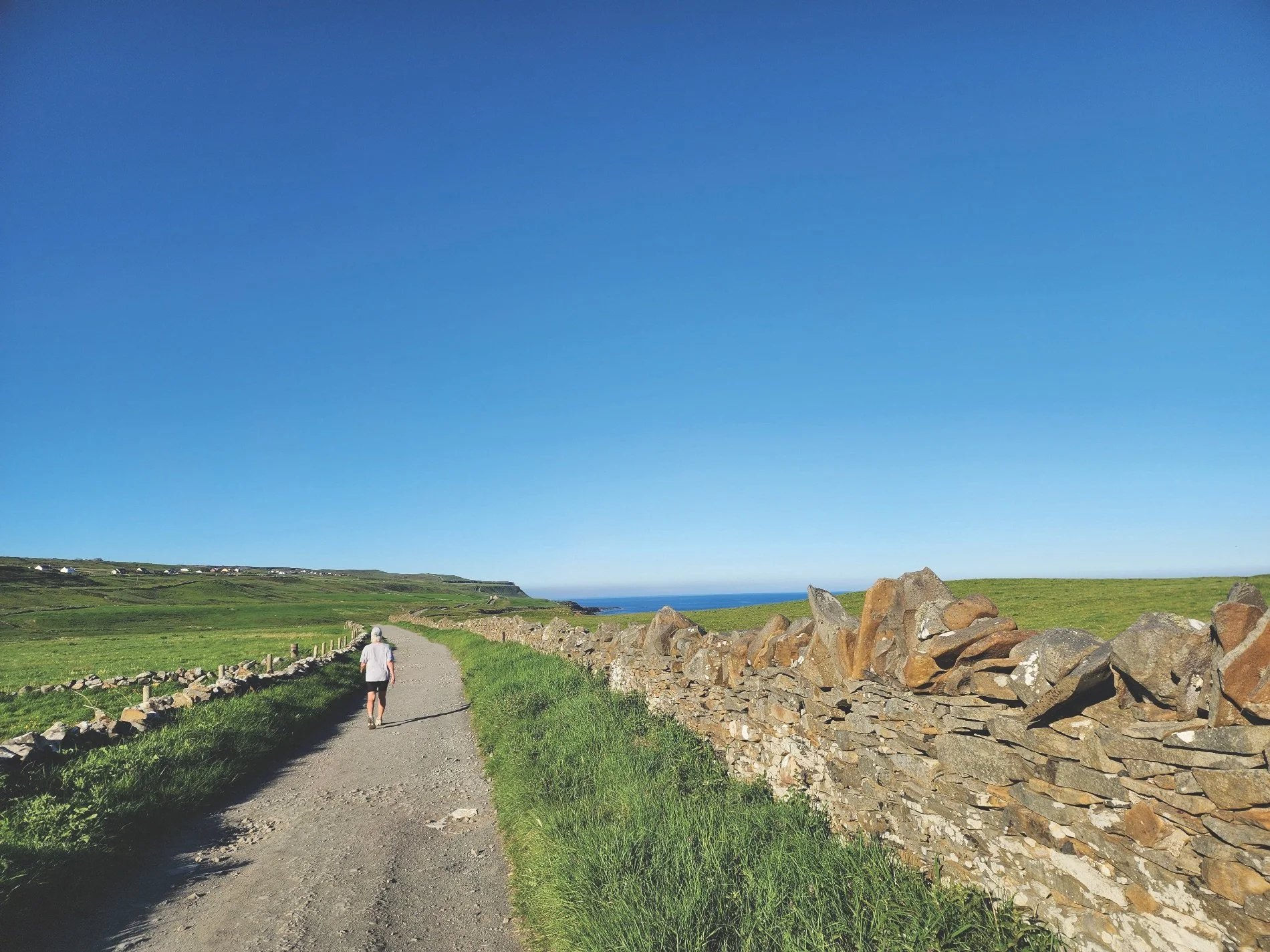
Not all follies are light-hearted. Some carry a far heavier legacy. Across the western Irish landscape, roads appear that twist and climb, only to end abruptly, leading quite literally nowhere. Built during the Great Famine (1845-1852) as meaningless labour for starving peasants, these famine roads haunt the landscape, rising through hills as if searching for lost futures that never arrived. These roads stand today as mute witnesses to suffering and endurance, reminders that folly can be born from indifference and neglect. They complicate our understanding of the term, revealing how even the most purposeless structures can carry profound and historical weight.
In the end, it is perhaps this tension between whimsy and melancholy, delight and despair, that gives follies their enduring power.